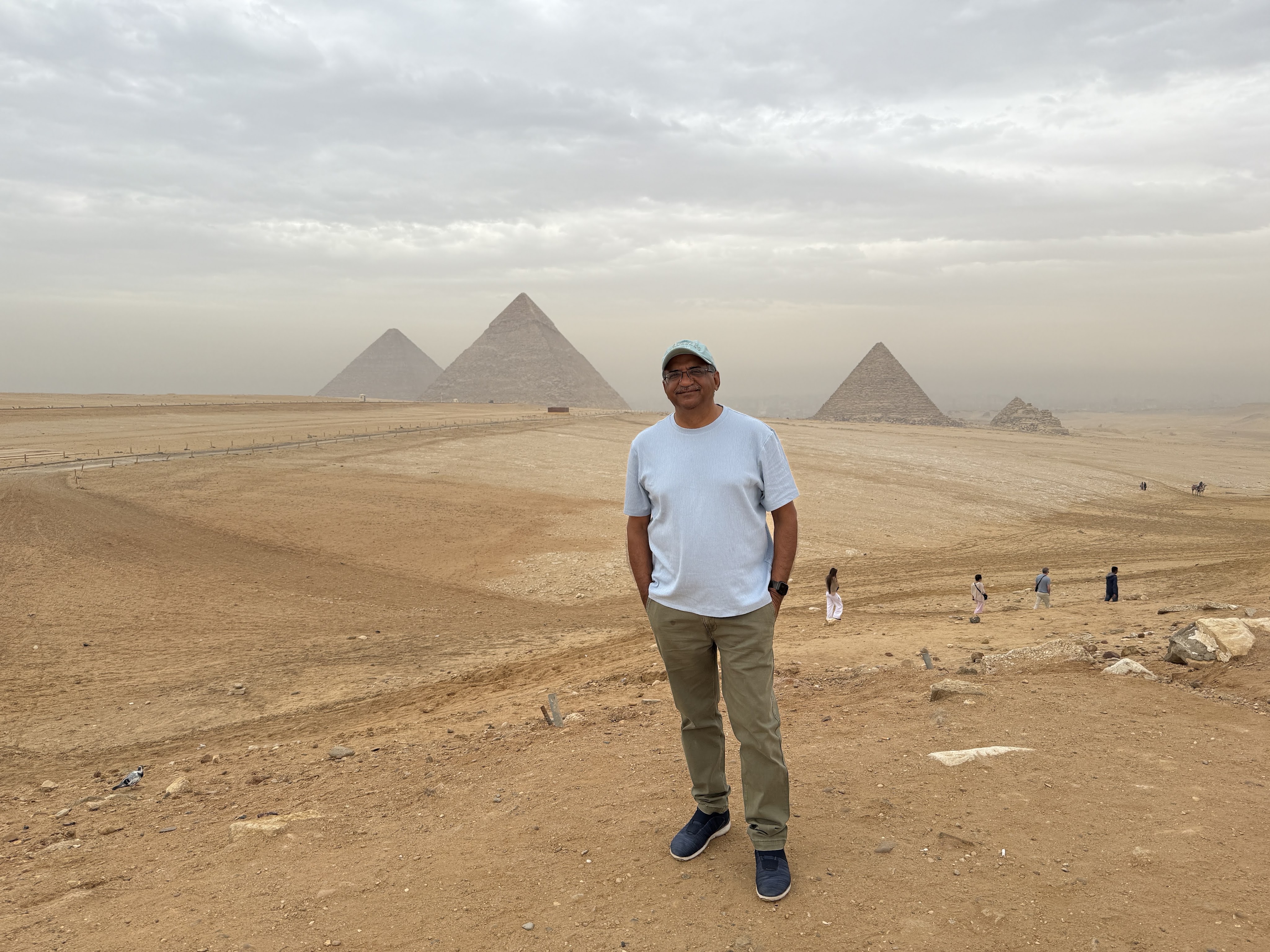
Egypt has fascinated most people that I know. The pyramids, the Sphinx, Tutankhamun and the mighty Nile were names I had grown up reading about in books and watching in documentaries. I had been thinking of a short trip here but it had not materialised for one reason or the other. Visiting one of the world’s oldest civilizations and standing before monuments that have survived for thousands of years is an experience that leaves you spellbound. A visit to the world’s largest archaeological museum makes the journey even more memorable. Tutankhamun and the other Pharaohs stay with you long after you leave, inspiring you to watch documentaries and read more about an era that may be over 5,000 years old, yet continues to fascinate the world because of the extraordinary legacy it left behind.
Like every destination, Egypt had its highs and lows. My first impression wasn’t the best, thanks to EgyptAir, an airline that did little to make the journey enjoyable. The view of Cairo from the sky was also not very tempting as it looked like an arid desert with sand covered buildings and no greenery. Fortunately, once I stepped onto Egyptian soil, the country gradually revealed its many treasures. So come along as I revisit Egypt—the good, the bad, and the unforgettable.
The flight to Luxor was via Cairo. Our luggage did not arrive in Luxor with us. Travelling in a higher-class cabin brought no special treatment whatsoever. “Call us tomorrow,” was the airline’s rather casual response.
My plan for the first evening had been very different. I had imagined myself sitting beside the Nile, sipping a drink while watching a local dance performance. Instead, I found myself wandering through the streets of a small city in an unfamiliar country in search of a T-shirt and a pair of underwear.
I walked through narrow lanes and bustling by-lanes until I finally found a small shop selling just enough essentials to get me through the next day. There were no international brands here—only a colourful local market full of life and character. I bought what I needed and headed back to the hotel.
As I walked back, it struck me that those unexpected couple of hours had given me my first real taste of Luxor. I had mingled with the locals, observed everyday life, and experienced the city before reaching the famous monuments.
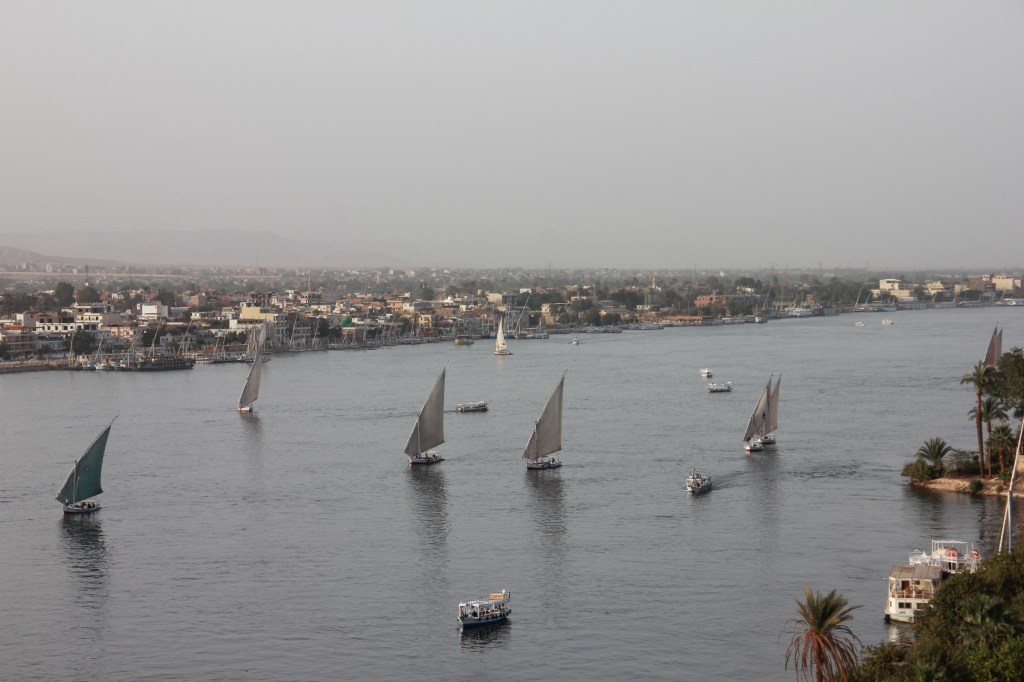
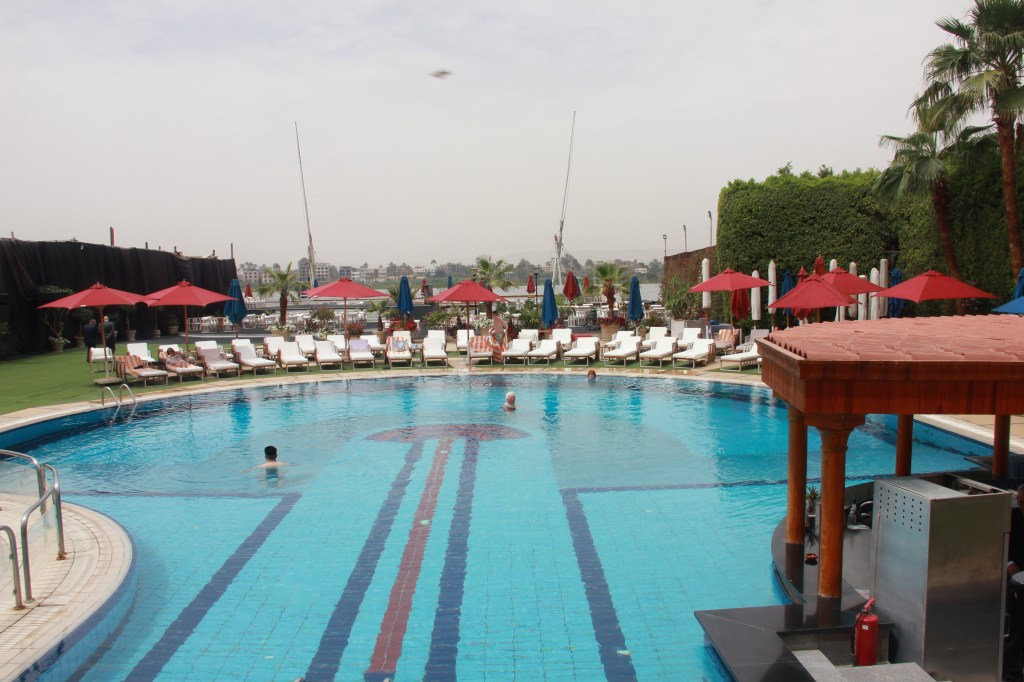
The Sonesta St George Hotel stood on the banks of the Nile. As I drew open the curtains the following morning, the magnificent river stretched out right below our room. It was a breathtaking sight. Beyond the Nile lay the West Bank, where we were headed after breakfast to visit the famous tombs of the Valley of the Kings. It was a good hotel and had a nice swimming pool and sitting area next to the Nile. We could cruise the Nile on their Felucca or just sit next to the mighty river and watch the sunset.
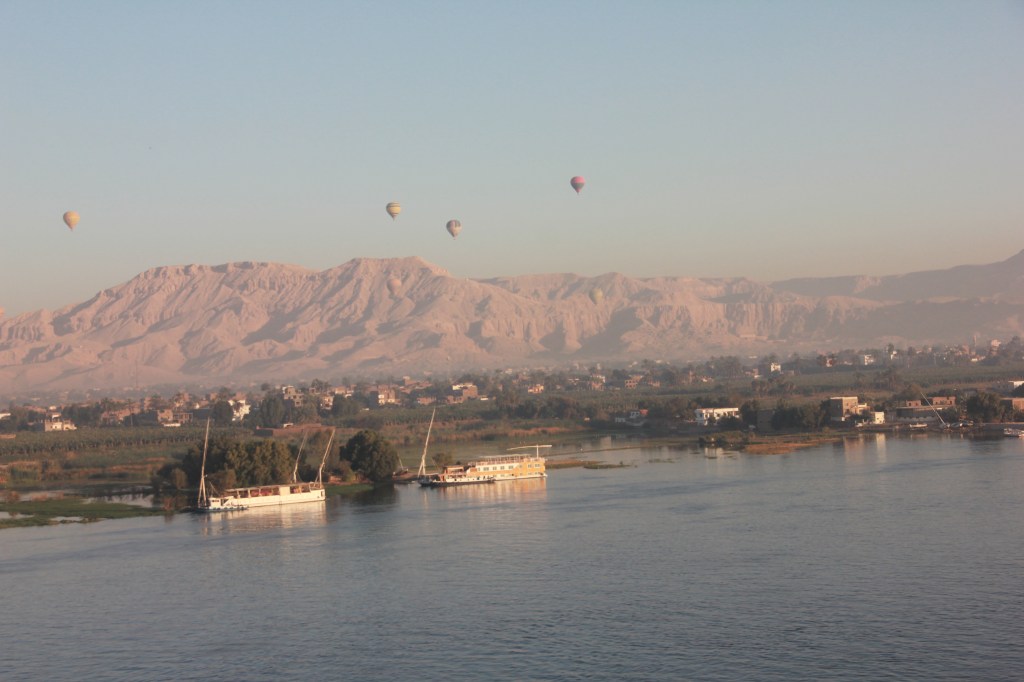
The ancient Egyptians were deeply influenced by the journey of the sun. The East, where the sun rose each morning, symbolised life and was where people lived. The West, where the sun disappeared each evening, represented death and became the resting place of kings and nobles.
What I saw in those tombs convinced me that those Pharaohs never really believed they would ever die. The concept of the afterlife seemed to make them believe they were destined to rule forever.
The West Bank of Nile
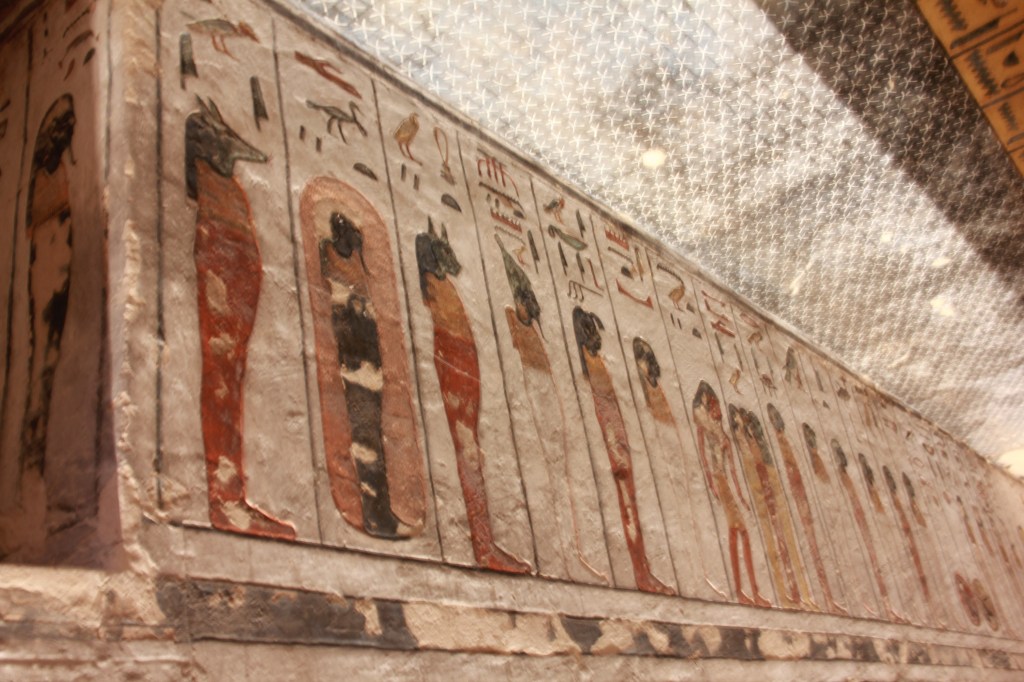
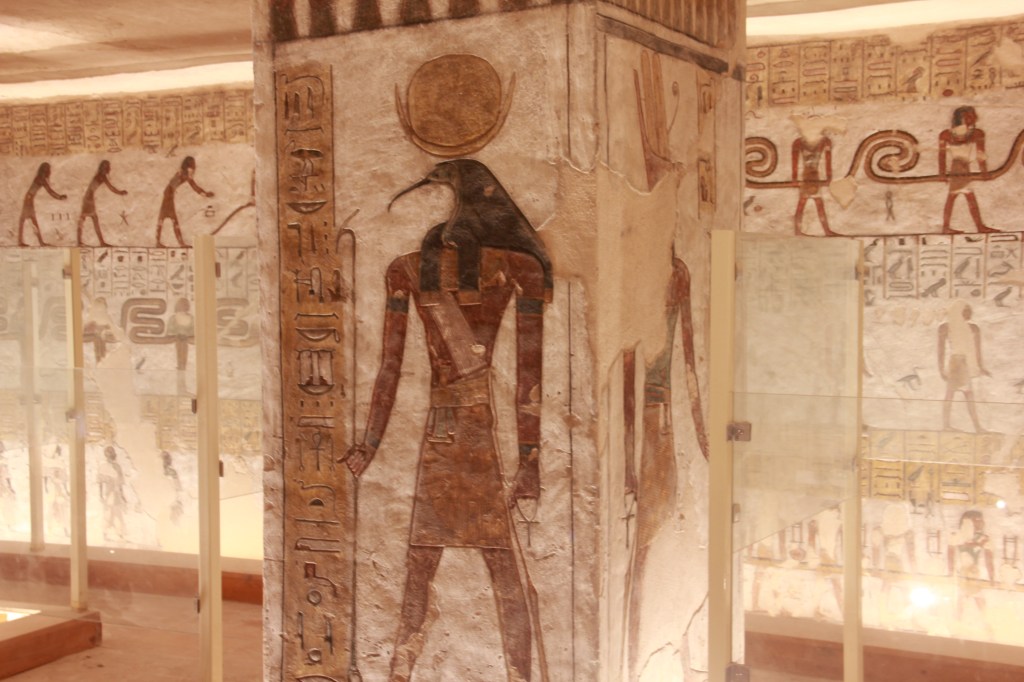
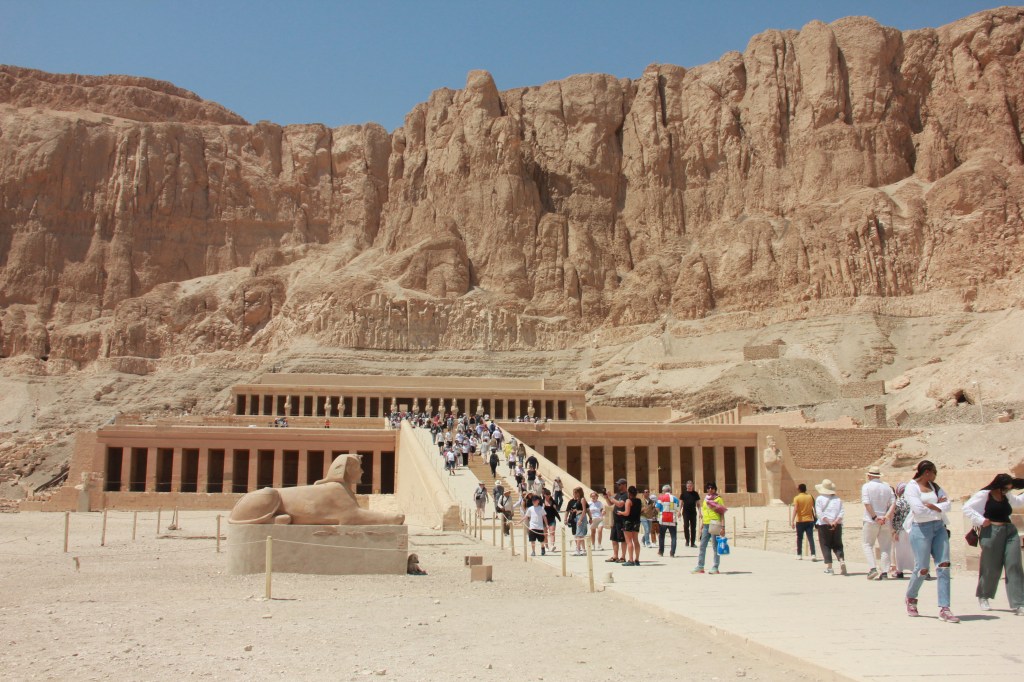
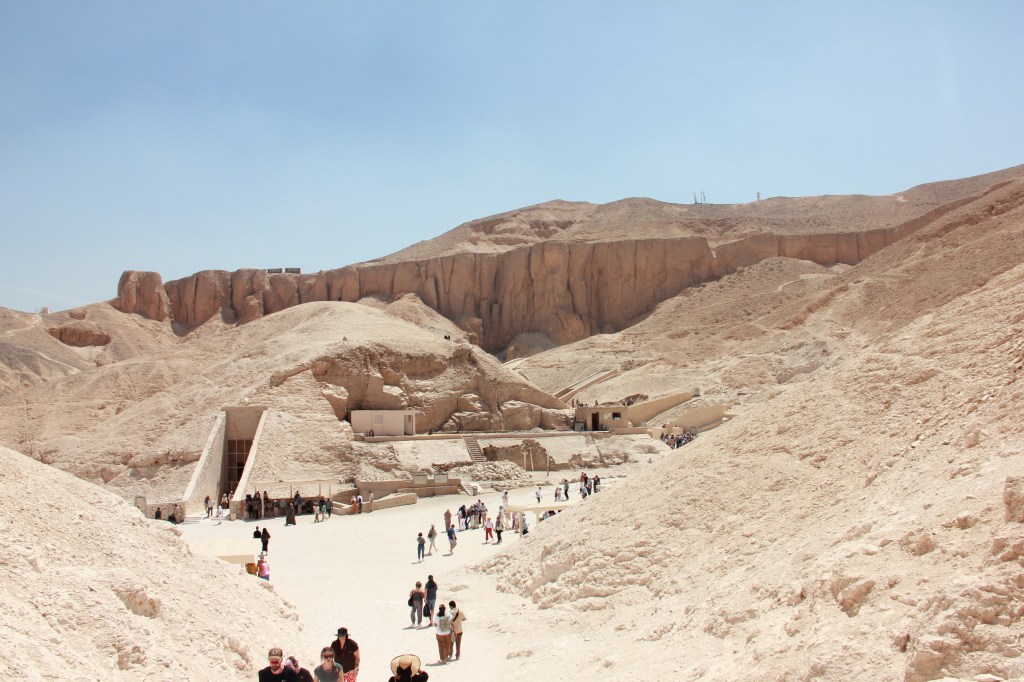
The Valley of the Kings lies on the west bank of the Nile, where many of Egypt’s mightiest Pharaohs were buried deep inside the rocky hills. Their bodies were mummified and laid to rest with gold, jewellery and everything they believed would be useful in the afterlife.
The most famous tomb is, of course, that of King Tutankhamun. Surprisingly, it is smaller and less impressive than the tombs of Seti I and Ramses VI. These tombs have stunning floor-to-ceiling decorations, with beautifully painted corridors leading to burial chambers adorned with breathtaking astronomical ceilings. A couple of the best tombs require a separate ticket, but they are well worth it. As you walk through these colourful passages, it is hard to believe that the paintings around you were created more than 3,500 years ago.
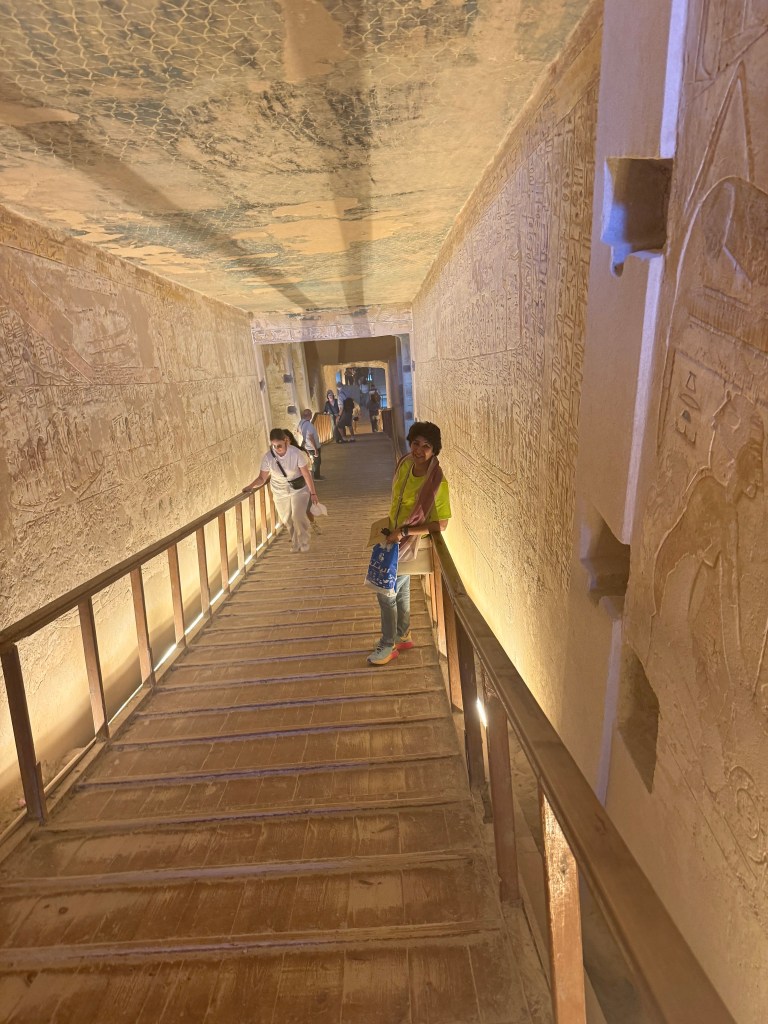
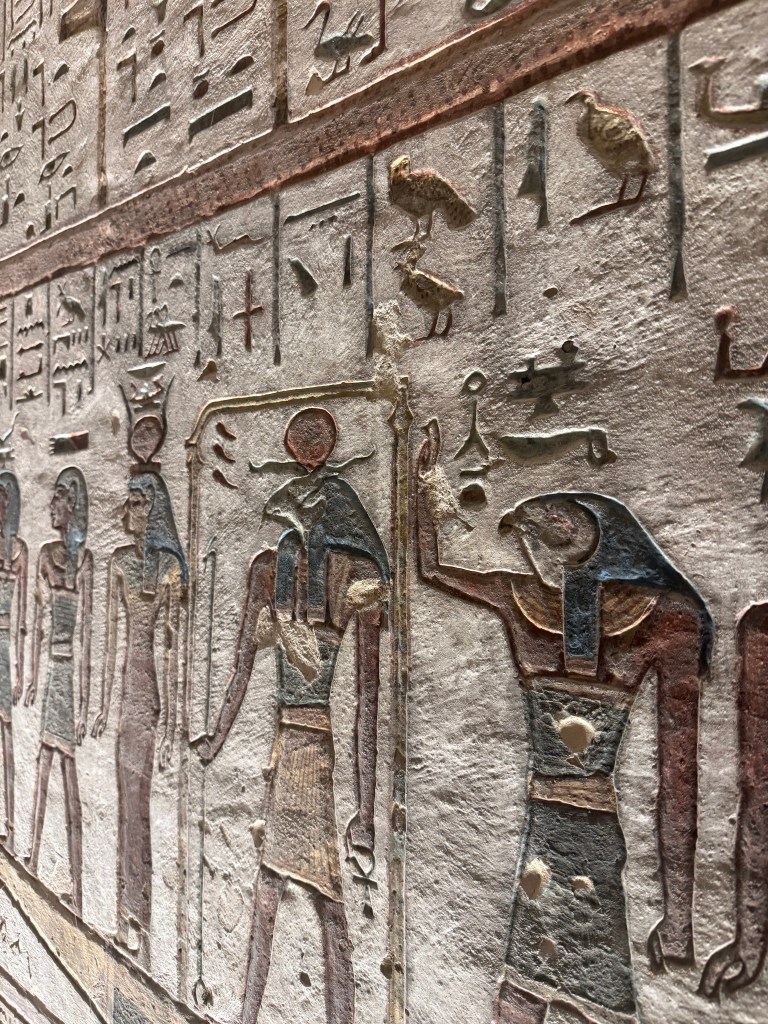
The Valley of the Kings replaced the pyramids as the preferred burial place because tomb robbers had discovered ways to plunder the wealth hidden inside the pyramids. Ironically, the most famous tomb of all—Tutankhamun’s—remained undiscovered until 1922, when Howard Carter found it almost intact. King Tut died at just 19 years of age, and an astonishing collection of treasures, jewellery and funerary objects was recovered from his tomb. We were fortunate to see almost all of it together later at the Grand Egyptian Museum in Cairo.
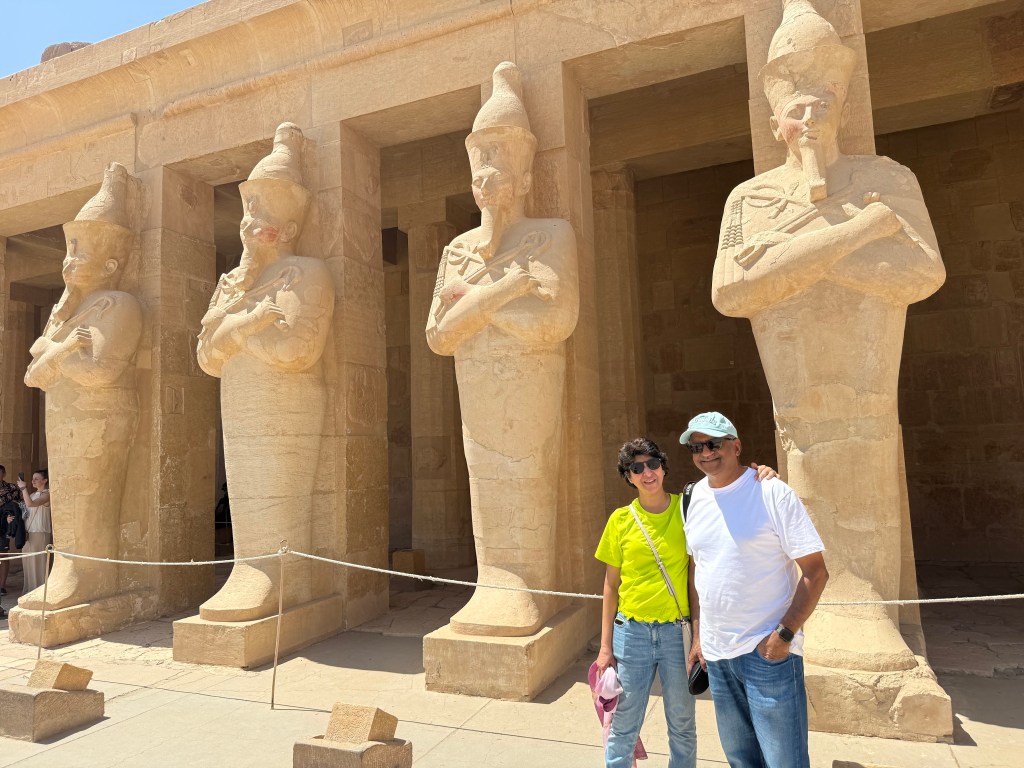
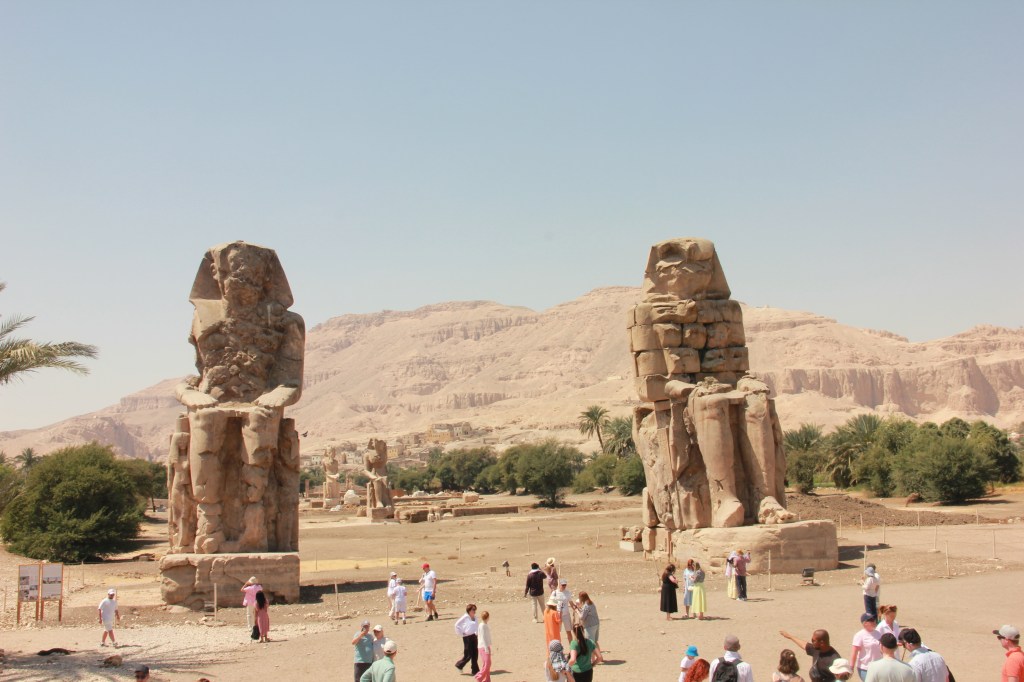
We had sensibly booked a private car with a guide. Starting at 9 a.m., we comfortably completed the entire West Bank tour before lunch, visiting the Valley of the Kings, the magnificent Temple of Hatshepsut—the most famous female Pharaoh—and the towering Colossi of Memnon. The Valley of the Queens was unfortunately closed for maintenance, so it was time for lunch, a little rest, and then to get ready for the evening’s programme. This was end of March and though afternoons could be warm with sun radiating heat through the rocky landscape, the evenings were generally pleasant. It was a good time to visit Egypt.
An evening in Luxor
In between sightseeing, I asked the tour desk at the hotel to keep following up with the airport about my missing luggage. Late that afternoon, he called my room to say that the suitcase had finally arrived—but I would have to collect it in person.
He immediately arranged a car and driver. While the driver waited outside, I completed the formalities and retrieved my suitcase. What impressed me most was that the tour operator, who had bargained hard over every dollar while we were booking our excursions, did not charge me a single penny for this extra trip. It was a small gesture, but one that I genuinely appreciated.
We had deliberately kept the itinerary simple—three days in Luxor and three in Cairo. That meant sacrificing Aswan, the Nile cruise and Abu Simbel. As it turned out, a change in the airline schedule gave us an extra day in Egypt but by then much of itinerary had already been blocked. I would have really liked to do the Nile Cruise from Luxor to Aswan as that would have made the trip complete.
That evening we walked towards the Corniche and the Luxor Temple. The owners of the horse carts—apparently the most popular mode of transport in this part of the city, made our lives difficult by constantly urging us to hire them. The Corniche was lined with restaurants, while large cruise boats lay moored on the Nile, ready to sail to Aswan the following morning. From several of them came music and laughter as passengers enjoyed their first evening on board.
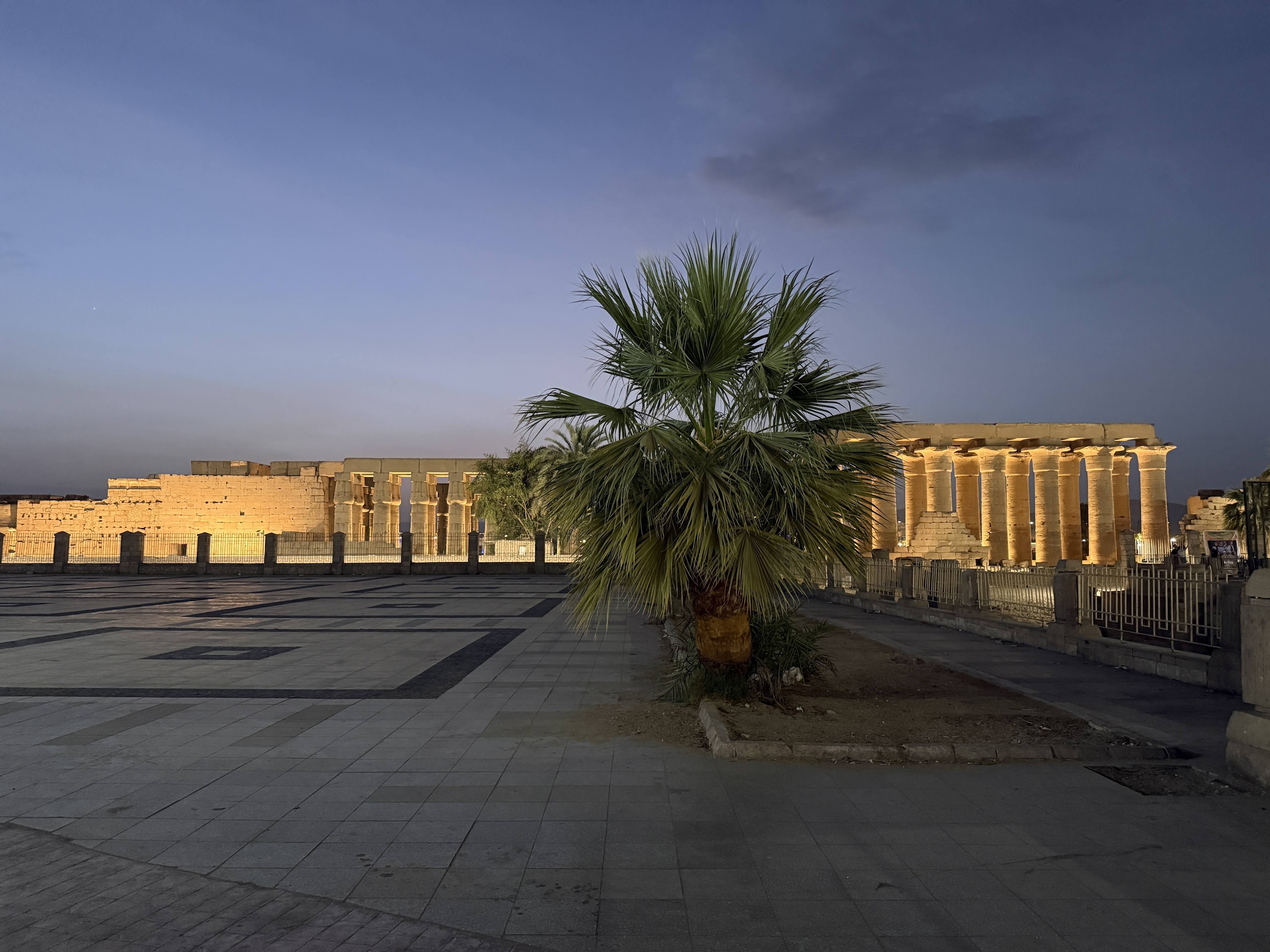
Then, quite suddenly, the lights illuminating Luxor Temple came alive. Standing just across the road, the temple looked absolutely spectacular. We walked around its perimeter, admiring its sheer scale and architecture, knowing that we would be exploring both the world-famous Karnak Temple and Luxor Temple with our guide the following morning.
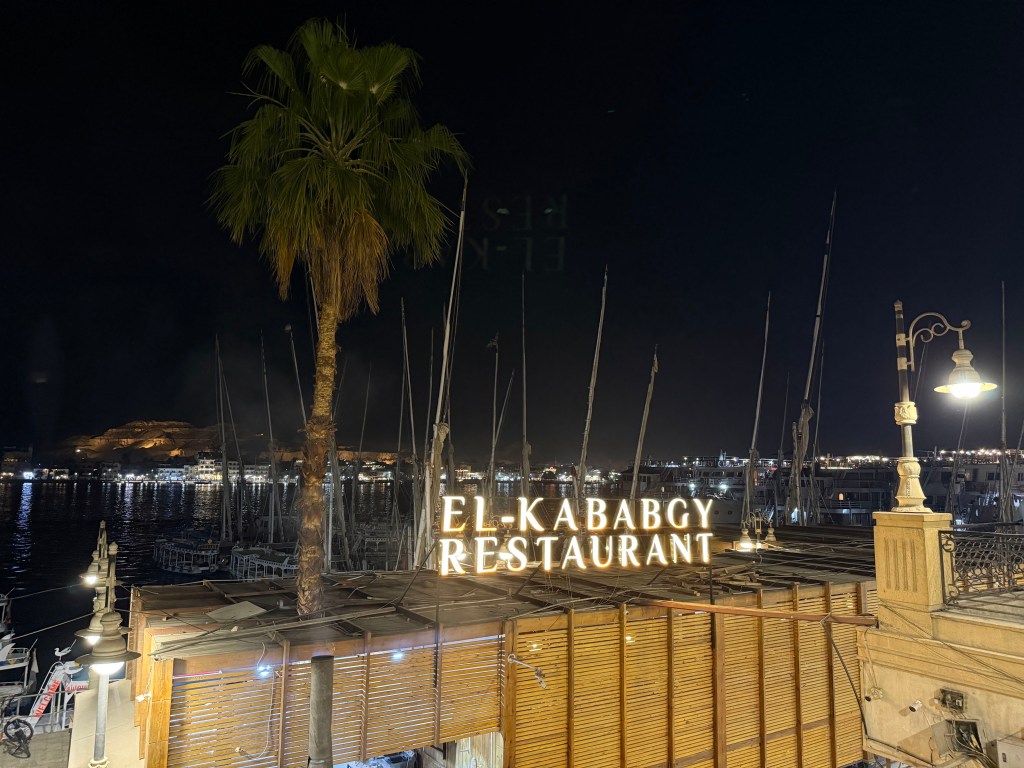
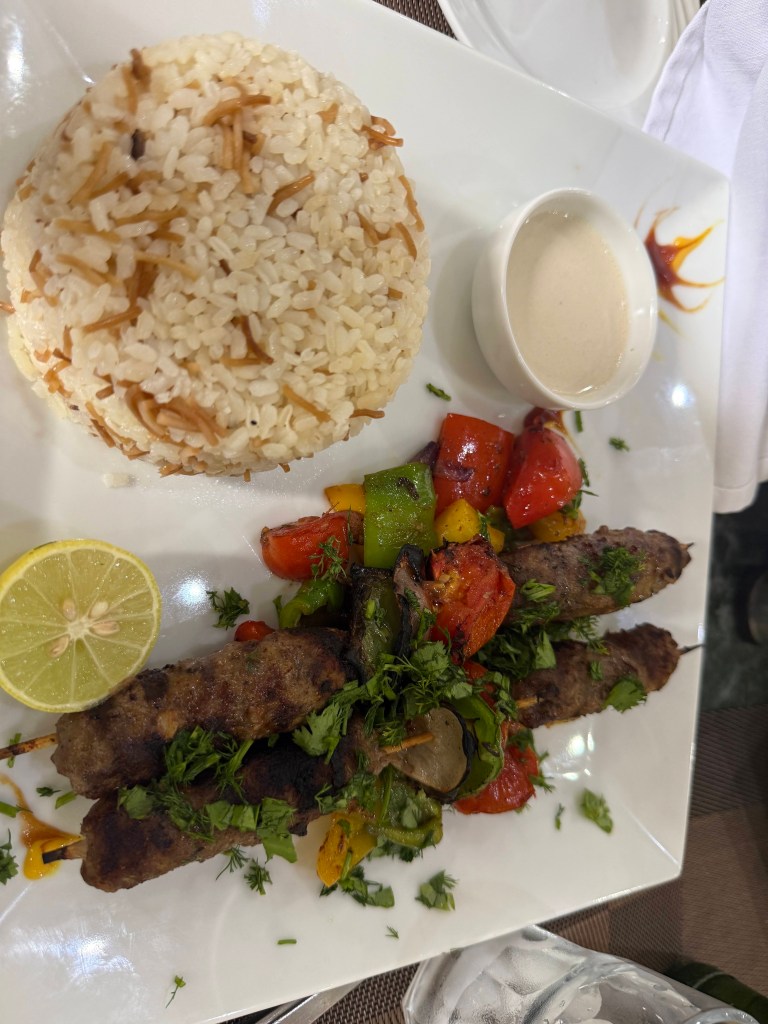
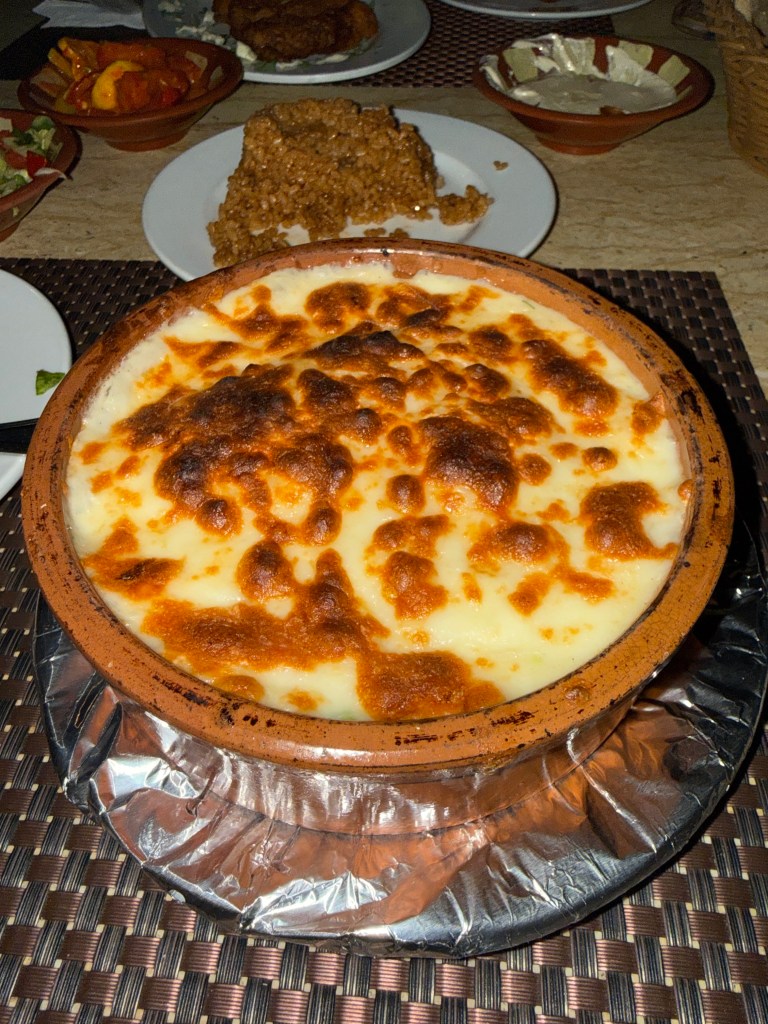
Dinner at the famous El Kababgy restaurant was excellent. I quickly developed a liking for Egyptian cuisine, especially the kebabs, mahshi, koftas, casseroles and fresh seafood. Some other good restaurants were Al Sahaby Lane Restaurant, Sofra and the Lantern room. Many of the hotels had bars, but almost all of them had people smoking shisha, leaving the atmosphere rather smoky, so we gave them a miss.
On the way back, we finally surrendered to the persistent horse-cart owners and let one of them take us back to the hotel. Sometimes, it’s easier to give in than to keep saying no!
The magnificent Karnak Temple
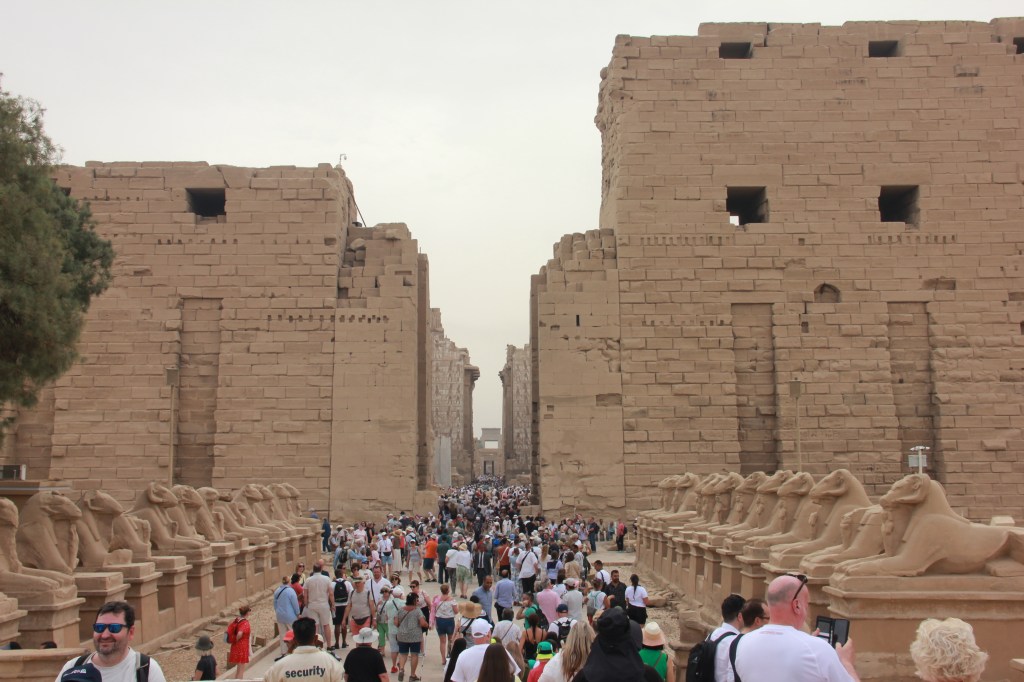
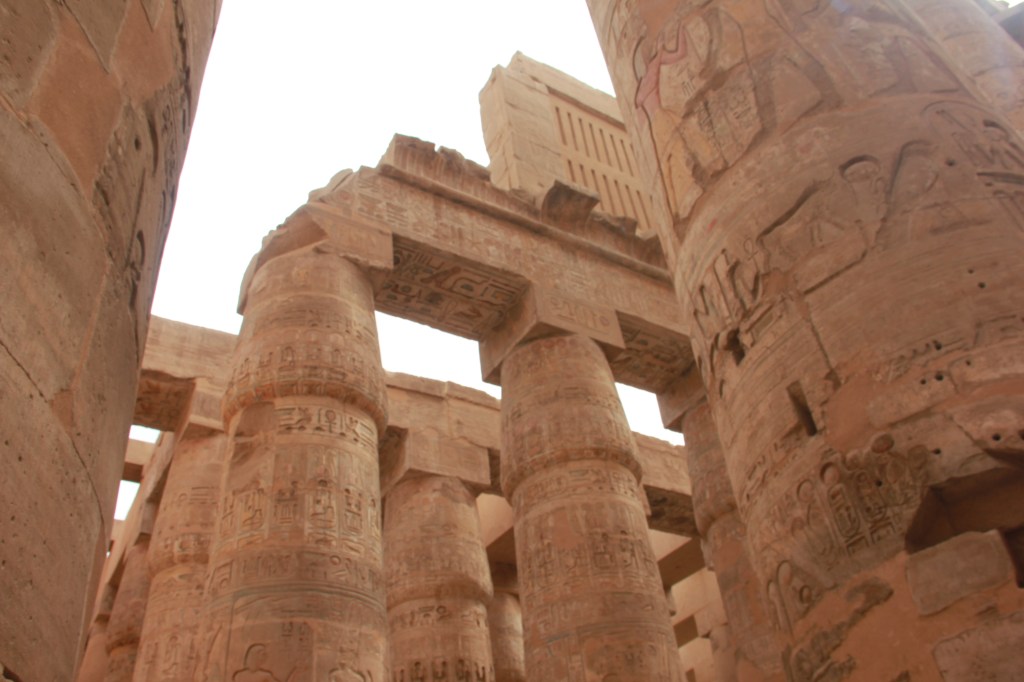
Karnak is the most spectacular temple complex I have ever seen. Built over nearly 1,500 years by around 30 Pharaohs, it is simply staggering in its scale. The massive columns of the Great Hypostyle Hall overwhelm you. You keep wondering—how was all this built? How were these enormous stone blocks lifted into place thousands of years ago? How did this magnificent complex survive earthquakes and centuries of Nile flooding?
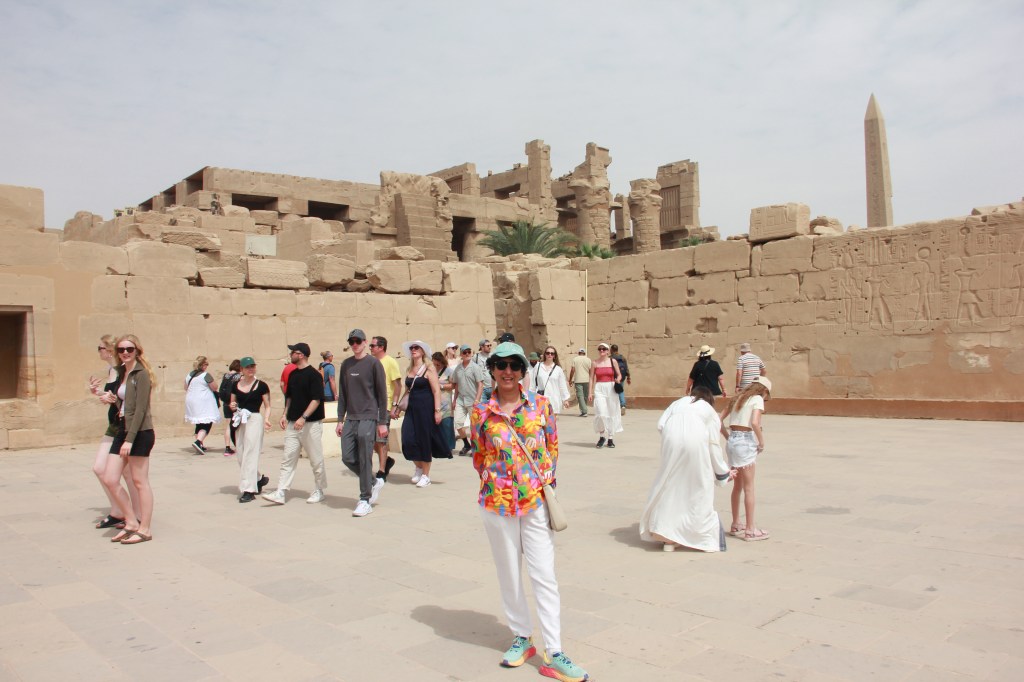
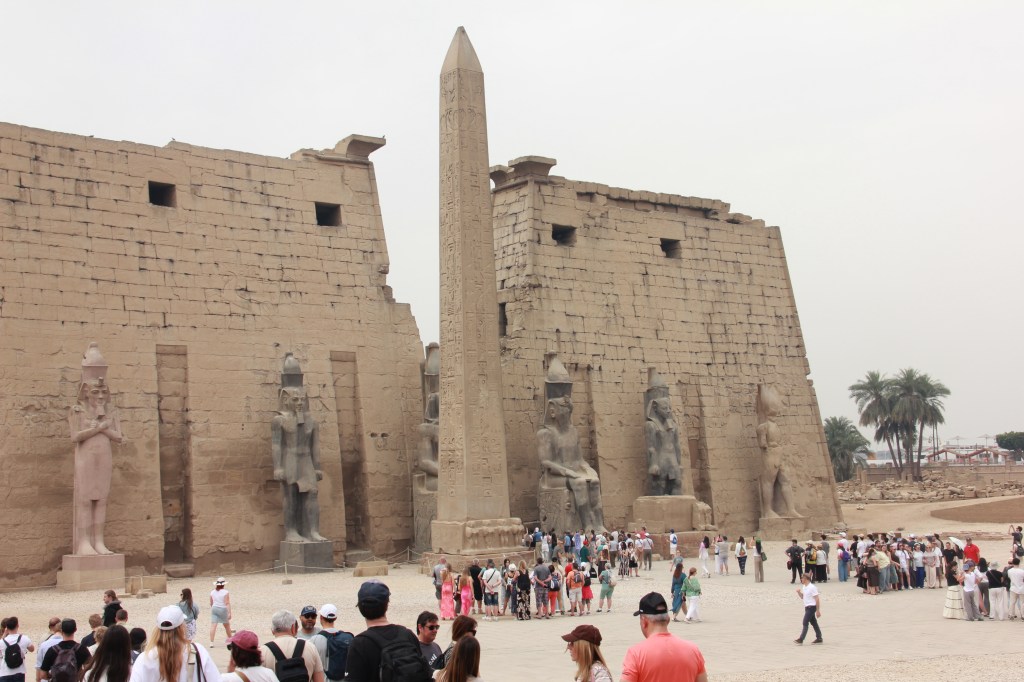
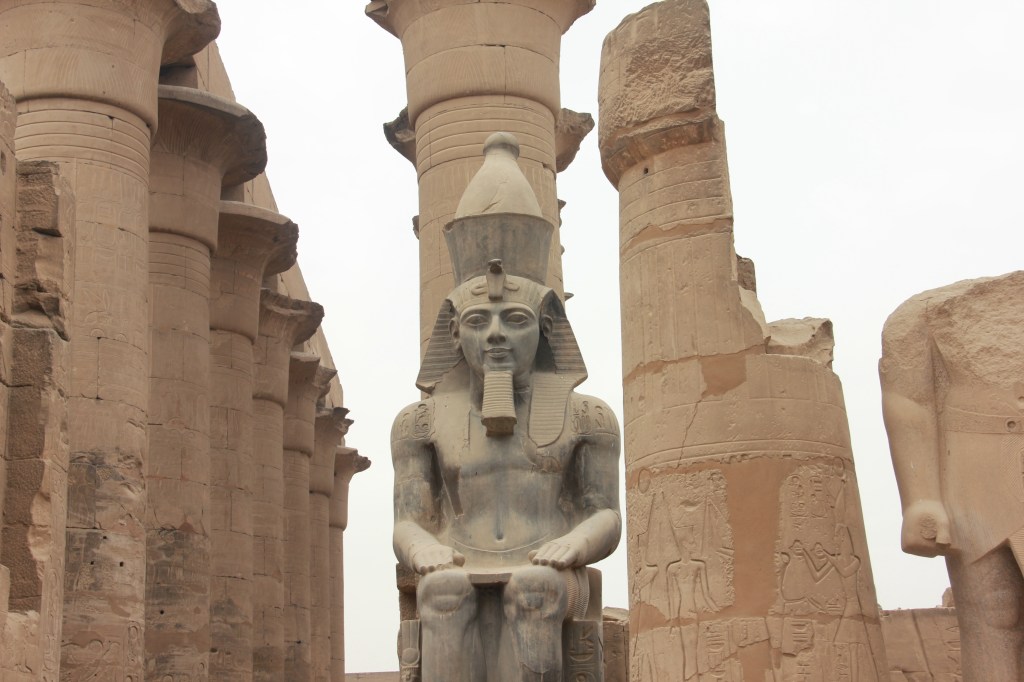
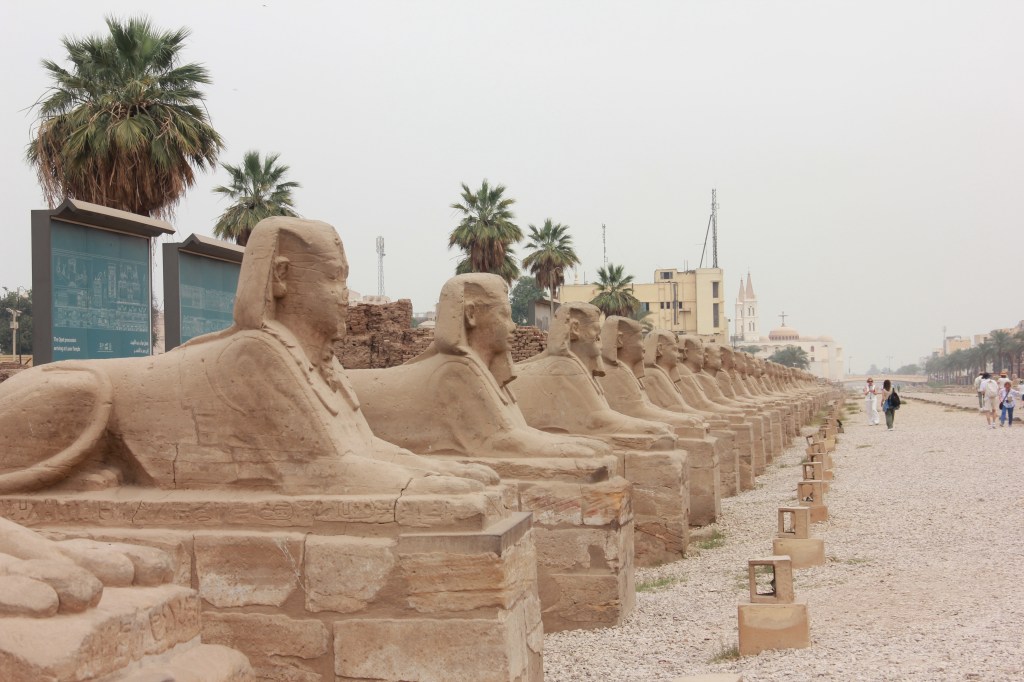
As you walk along the Avenue of the Sphinxes that connects Karnak Temple to Luxor Temple, you can’t help but feel a little majestic yourself. I was glad we had a knowledgeable guide who brought the history alive and explained the significance of what we were seeing.
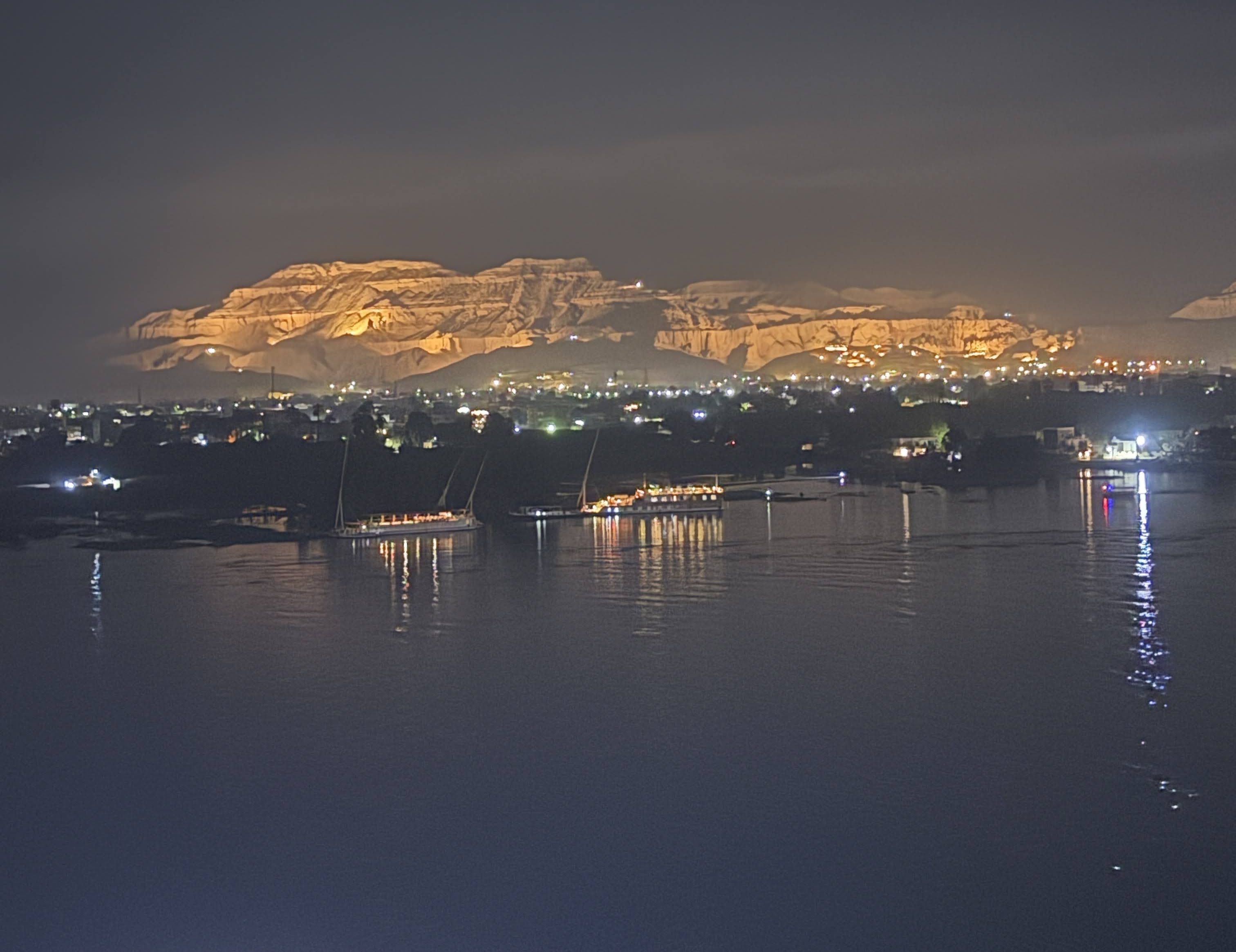
The Nile is even more scenic at night. The twinkling lights of the cruise boats, the illuminated West Bank and the gentle breeze make it a wonderful place to spend an evening by the river. From there, you can easily walk to the Luxor Souk to buy dry fruits and souvenirs. Luxor is a small town, making it easy to explore on foot. I am really glad we spent four days there. It gave us a genuine feel for Egypt’s history, culture and everyday life.
EgyptAir managed to waste another day of our holiday. Our flight to Cairo was inexplicably delayed for hours, and instead of reaching the hotel in the early evening, we arrived late at night. Spending hours at an airport with virtually nothing to do was hardly anyone’s idea of fun. The Ramses Hilton, on the banks of the Nile, offered a welcome sight when we finally checked in. From our room, we had a clear view of the famous Tahrir Square and from the other side we could see the mighty Nile.
The Giza Pyramids
Giza, home to the pyramids, was our destination the next morning. Uber made getting around Cairo surprisingly easy. It saved us from the endless bargaining that seems to be part of taking a regular taxi. On the few occasions we hailed a cab from the street, we almost always regretted it.
We entered the pyramid complex from the Sphinx side, although there is now a much larger entrance on the opposite side, from where we exited later. Normally from the main entrance you would see the Pyramids from far and then as you would get close, you would see the Pyramids from close and then the Sphinx. From this gate , as you walk in, the Sphinx suddenly appears before you, with the pyramids rising behind it. It is a strangely satisfying moment. After seeing these monuments in books, magazines and films for so many years, they are finally standing right in front of you.
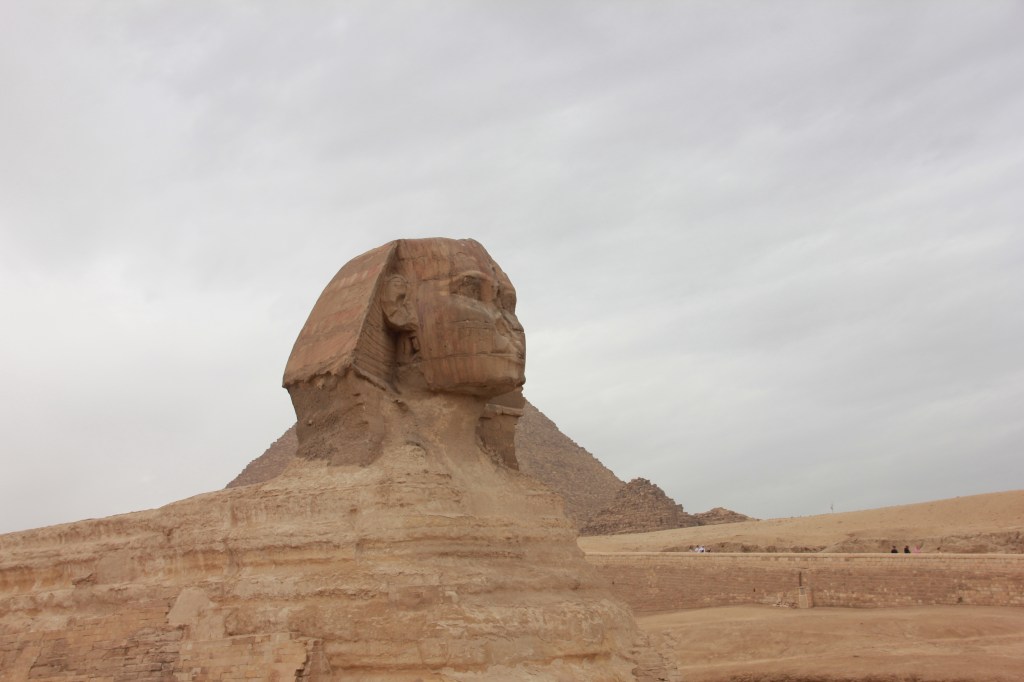
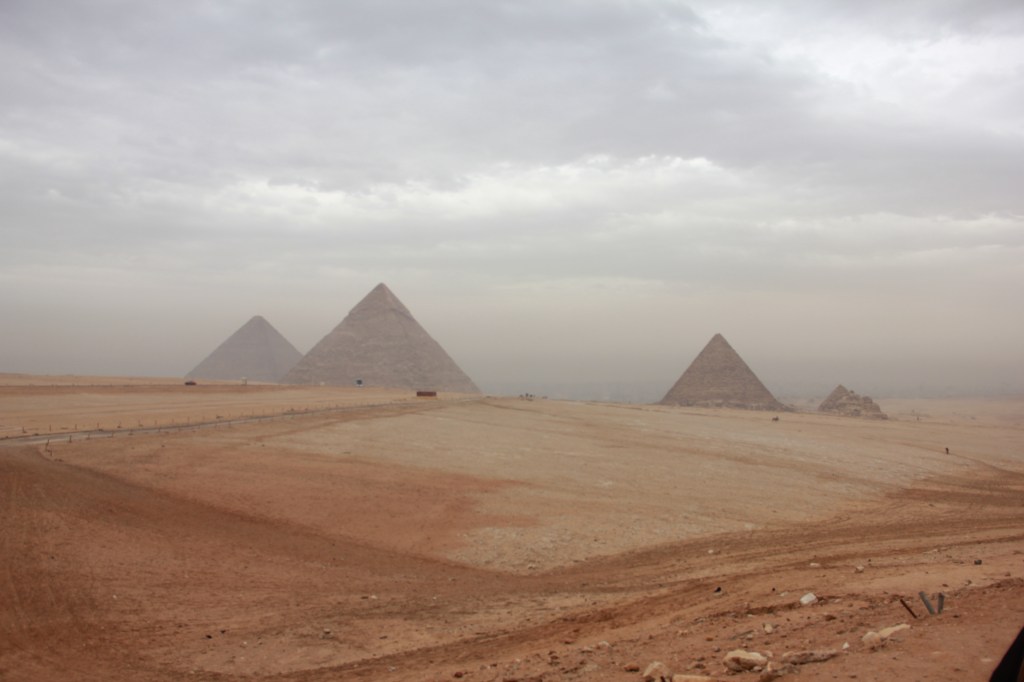
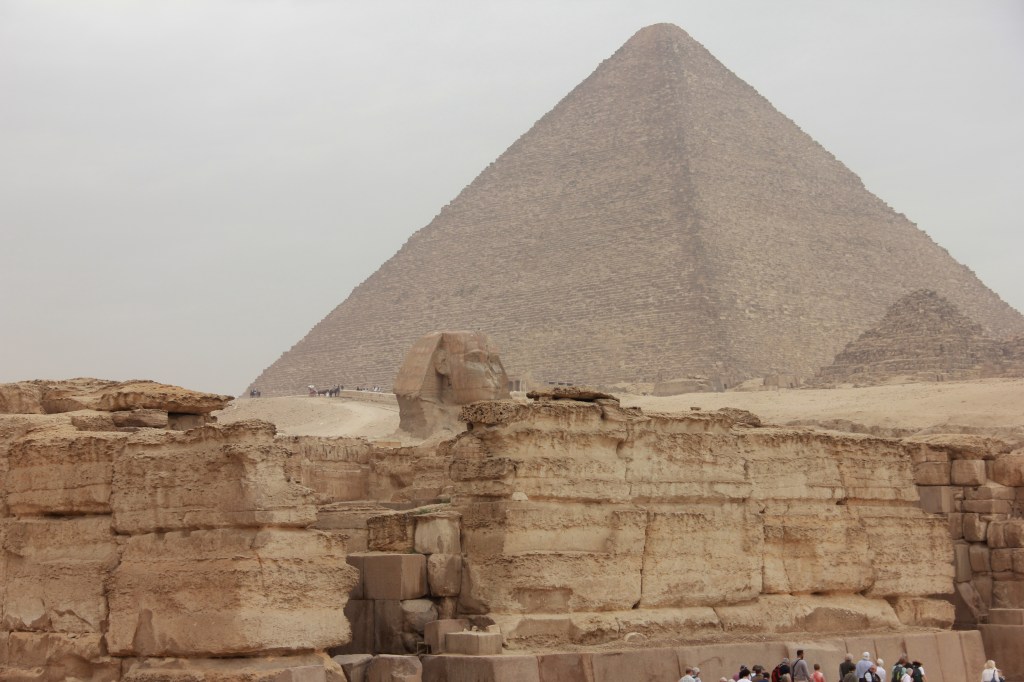
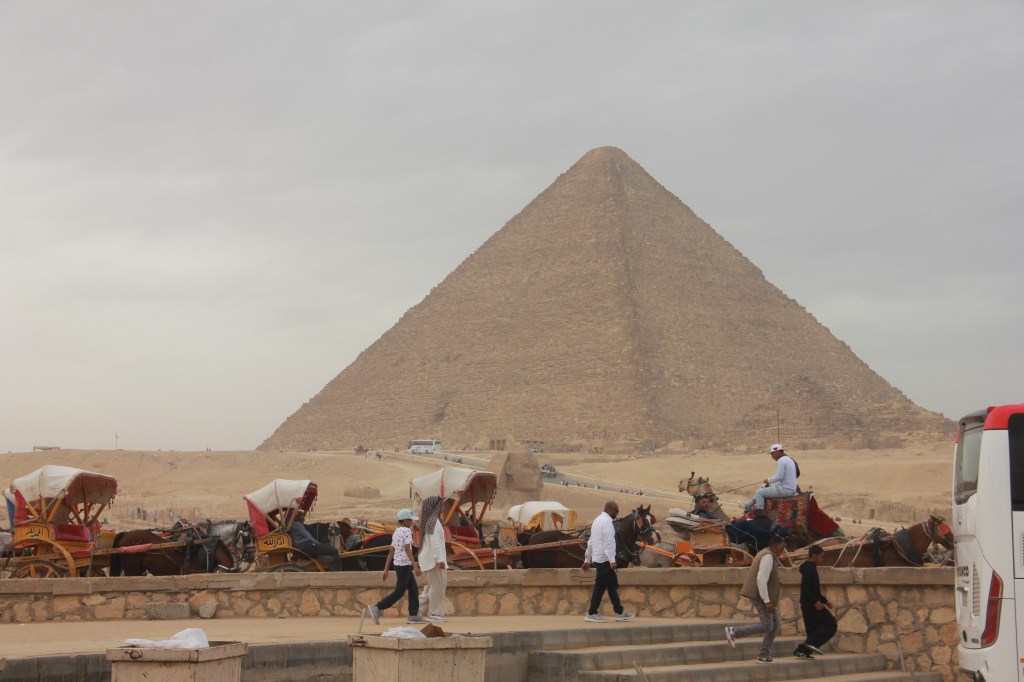
Electric shuttle buses, included in the entrance ticket, connect the two gates and stop at several viewpoints along the way. They make exploring the vast site much easier.
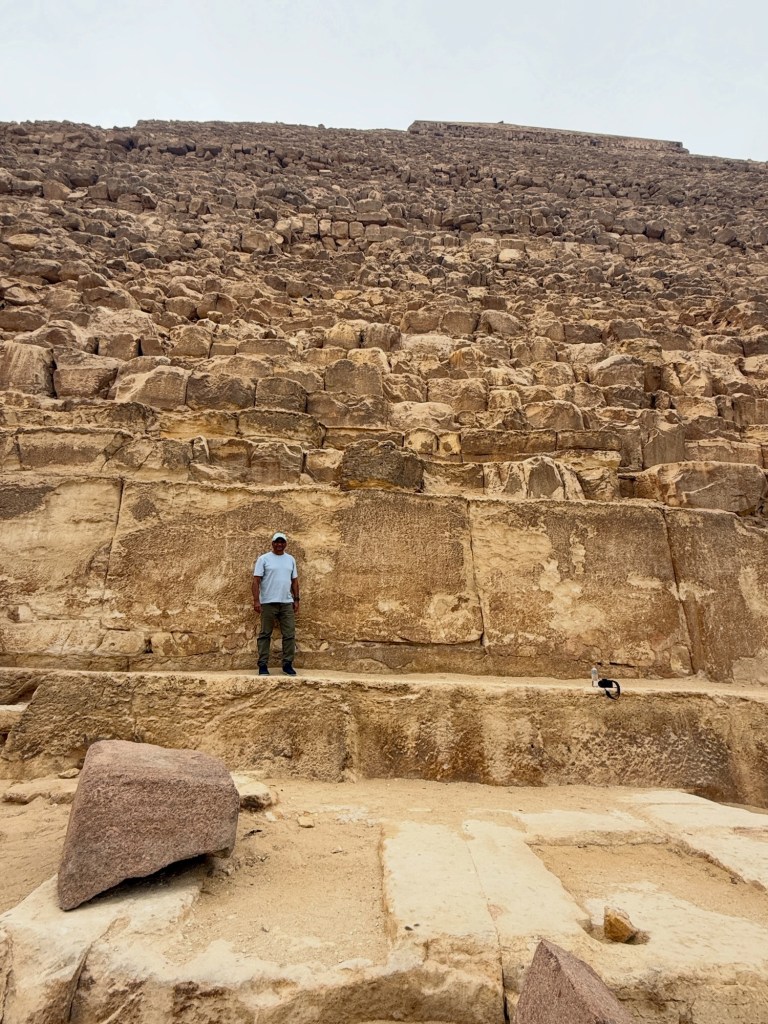
The pyramids themselves are immensely impressive. There is the Great Pyramid, two other large pyramids and several smaller ones scattered across the plateau. Standing beside the Great Pyramid, I realised that each limestone block was taller than me. It suddenly put into perspective the sheer scale of what had been built more than 4,500 years ago. There are also a few excellent vantage points from where you can capture the entire landscape in one breathtaking photograph.
Unless you plan to go inside one of the pyramids, an hour or two at Giza is enough. We called an Uber and were at the Grand Egyptian Museum in no time.
The Great Egyptian Museum (GEM)
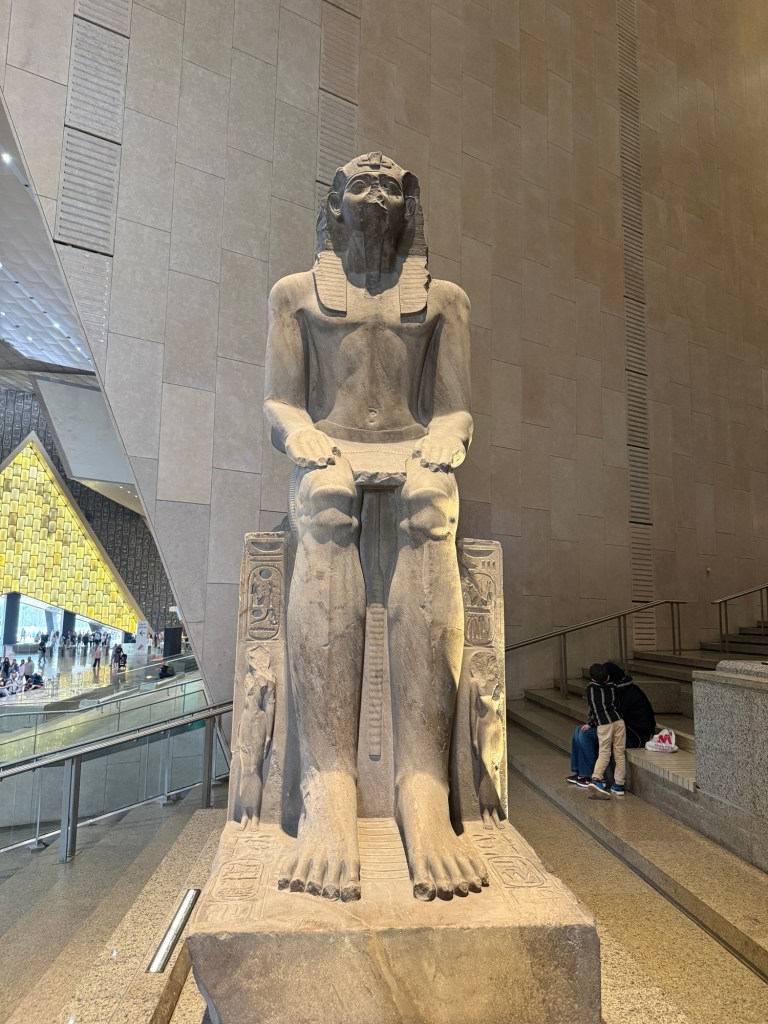
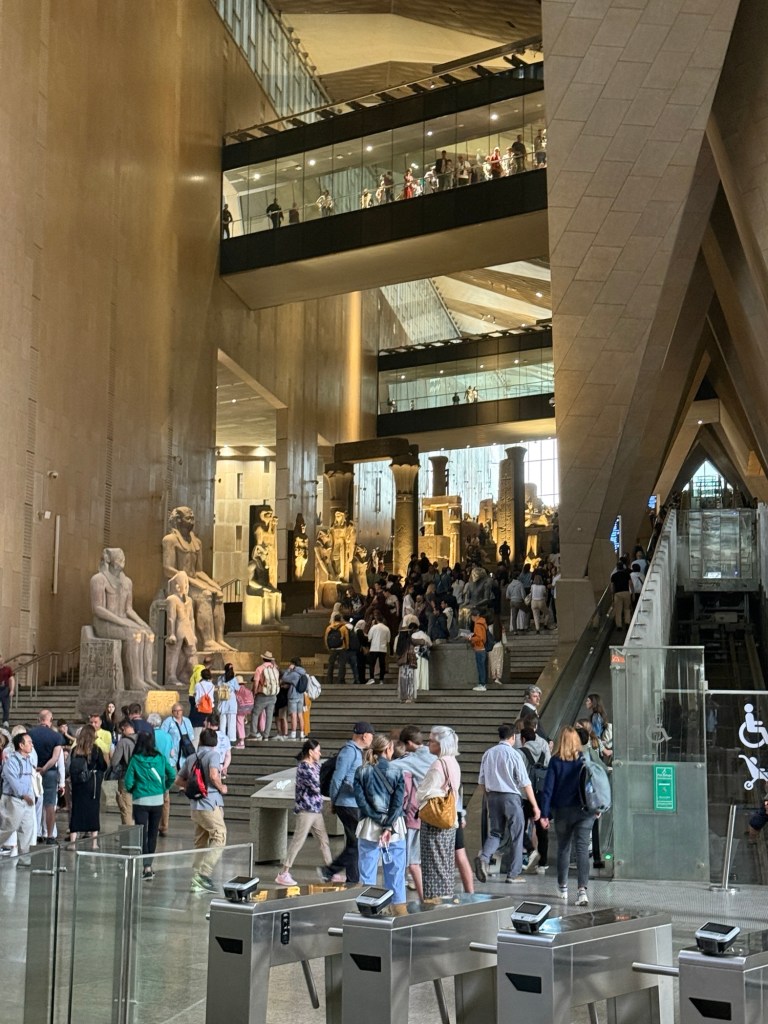
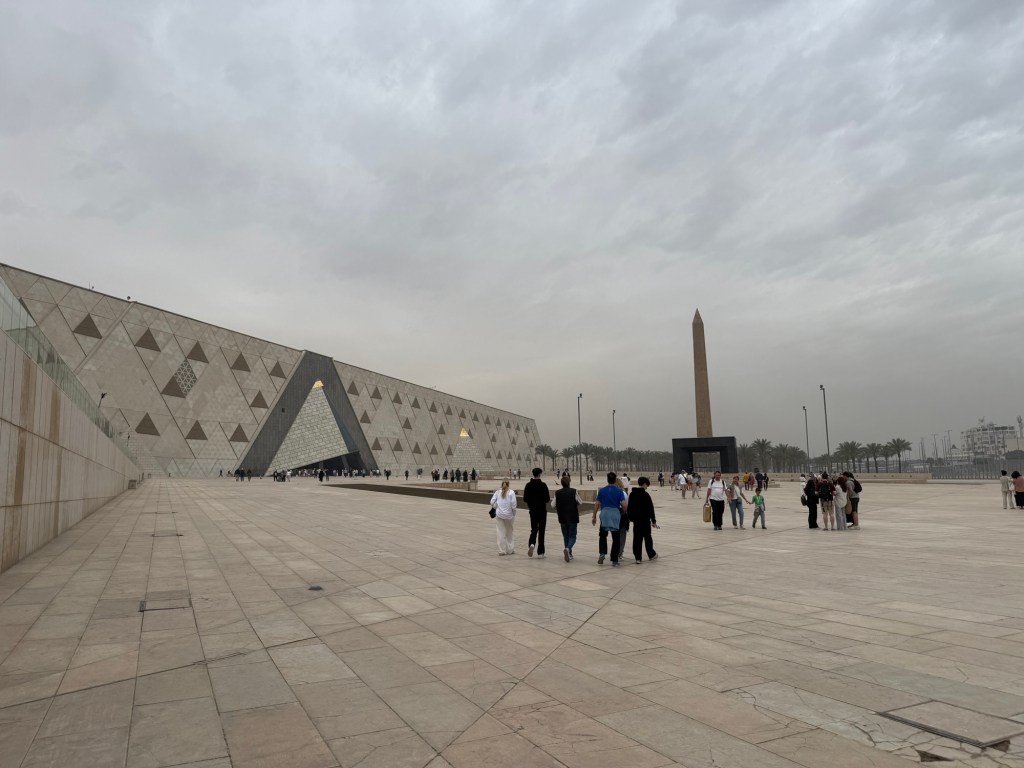
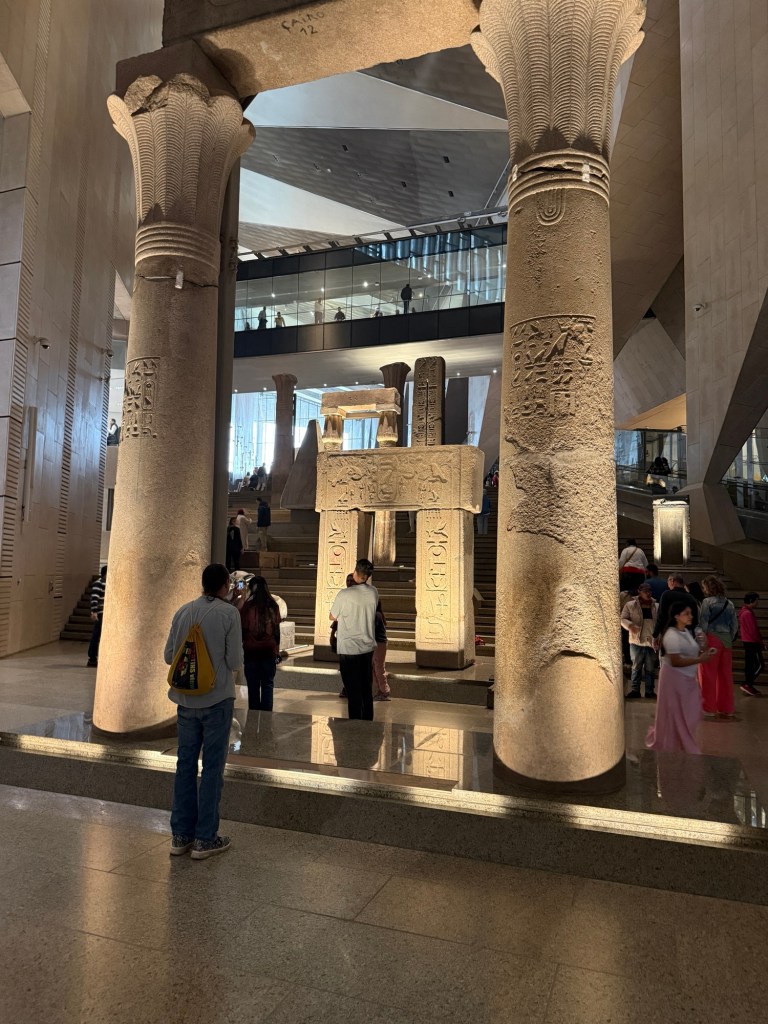
We spent a few hours at the GEM and even had lunch at the museum. The facade is impressive and the Pyramids can be see in the background. The artefacts, the colossal statues and the historical treasures are all housed under one roof. After a while, not only do your legs get tired, but so do your eyes. There is simply so much history to absorb, beautifully displayed in galleries and sections that take you through thousands of years of Egyptian civilisation.
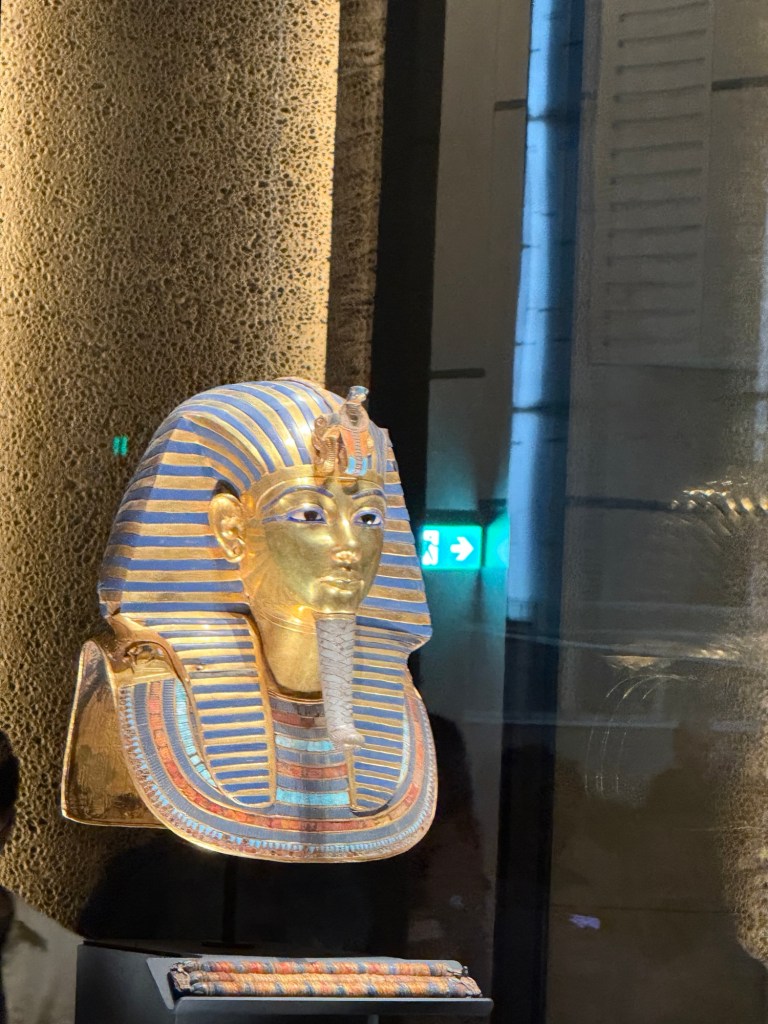
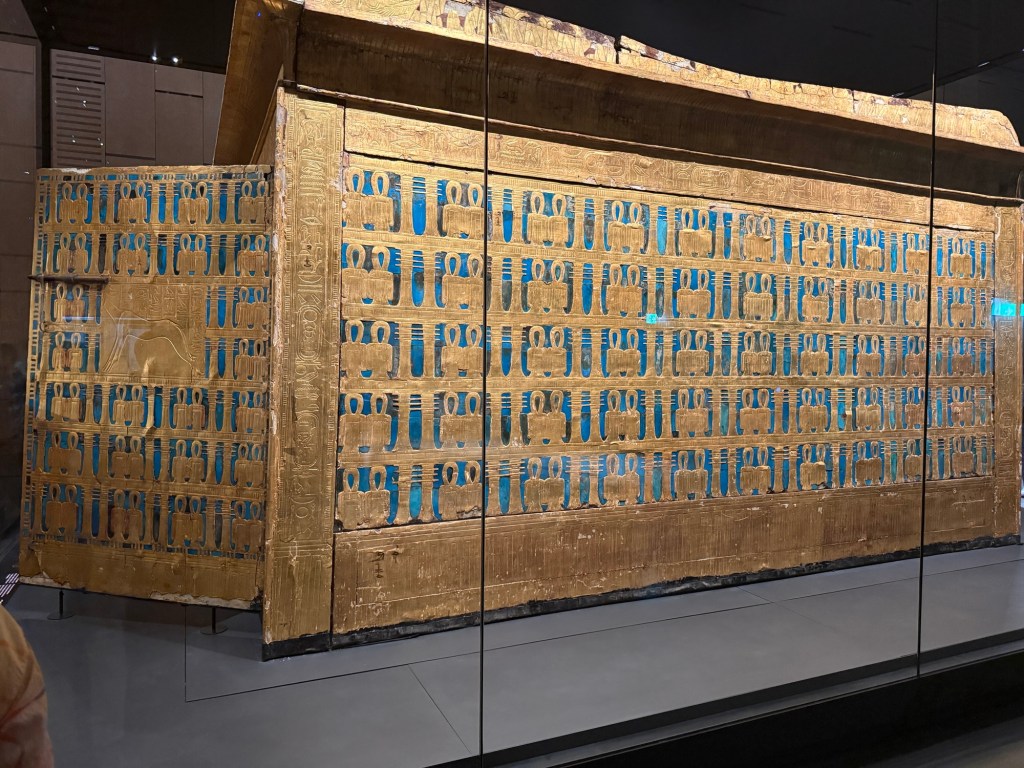
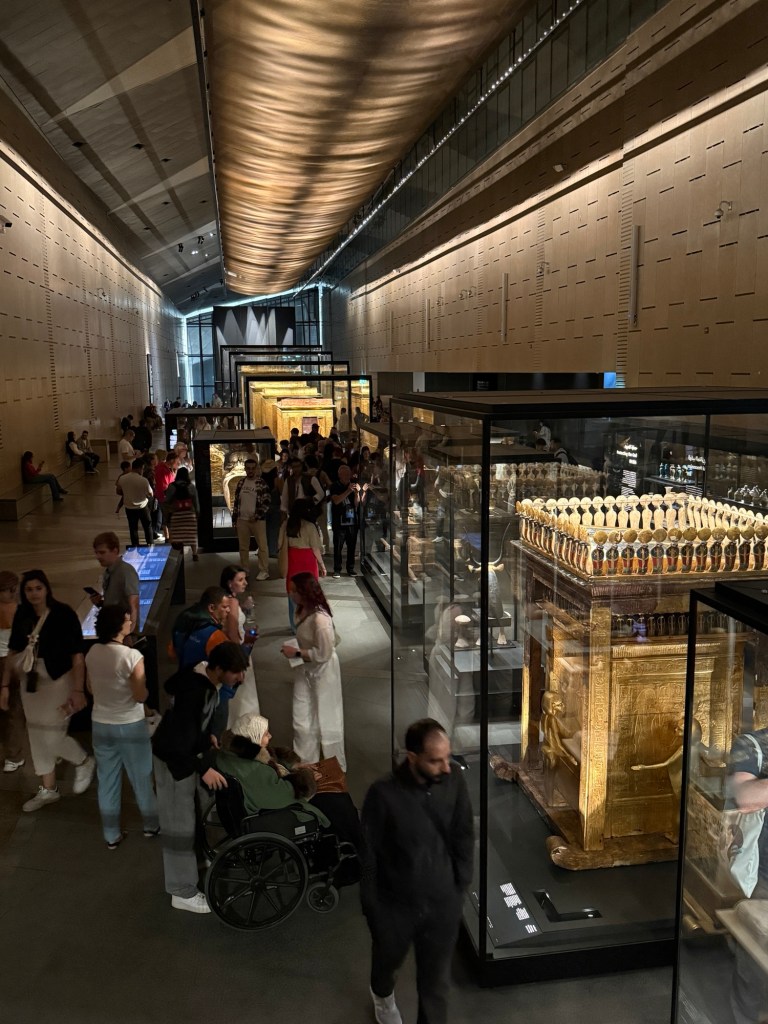
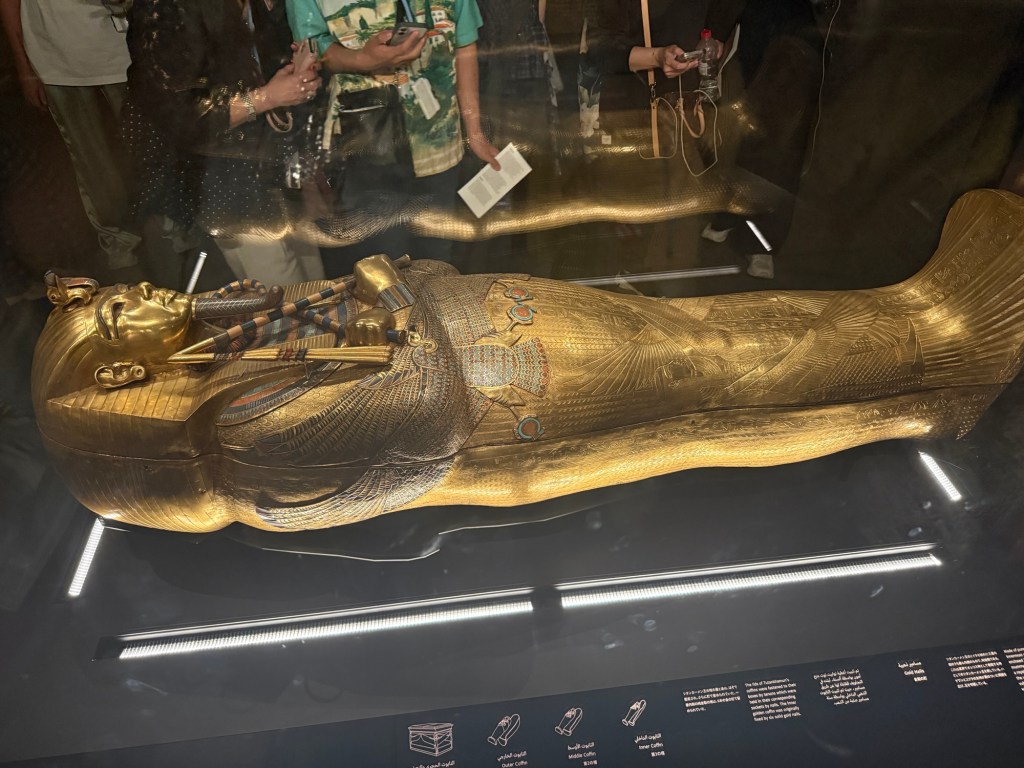
The highlight, without doubt, is the Tutankhamun Gallery. The huge solid gold coffins( 3 lor 4 large coffin boxes) in which his mummy was enclosed are an unforgettable sight. But that is only the beginning. The collection from his tomb is immense. The very tomb we had seen in Luxor contained exactly 5,398 objects, and for the first time in history, every one of them has been reunited and displayed together in a single gallery. Seeing his famous gold mask, jewellery, chariots, furniture, weapons and even his precious dagger together gives you a real sense of the unimaginable wealth that accompanied the young king into the afterlife.
Cairo City
We still had a couple of days left, so we made the most of them. We wandered through Al-Muizz Street, admiring its beautiful Islamic architecture, before drifting into the narrow lanes of Khan el-Khalili in search of souvenirs. After sunset, the old mosques and historic buildings are beautifully illuminated, and the whole area comes alive. If you want to experience the real feel of Cairo, this is the place to be. It had some traditional restaurants and interesting street food. It was a perfect place for tourists.
While the Pharaohs dominate our imagination, Egypt’s history did not stop with them. Alexander the Great conquered Egypt, the Ptolemies ruled for centuries, and Cleopatra became the last Pharaoh before Egypt was absorbed into the Roman Empire. Walking through Cairo, one realises that Egypt is a fascinating blend of Pharaonic, Greek, Roman, Islamic and modern influences.
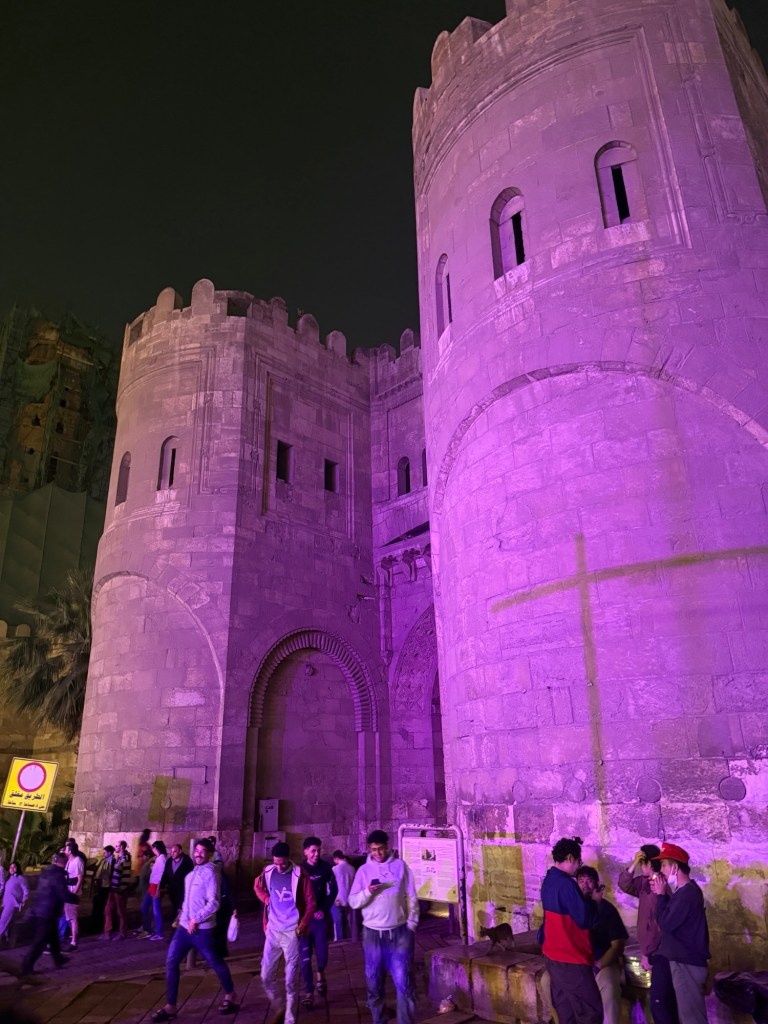
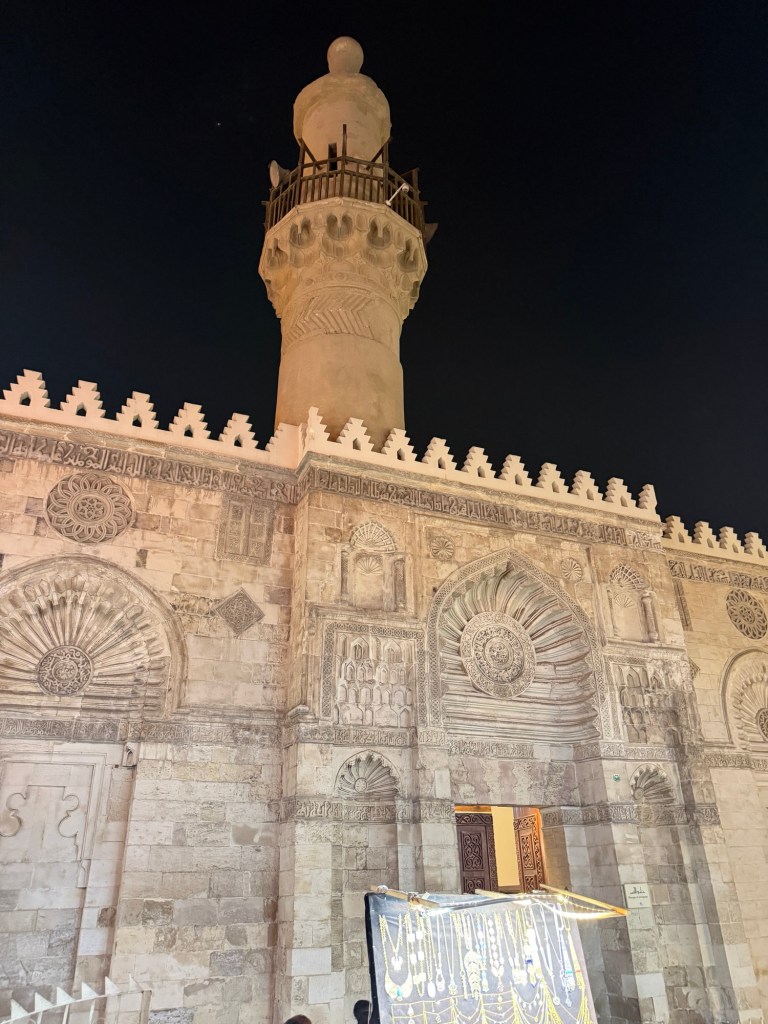
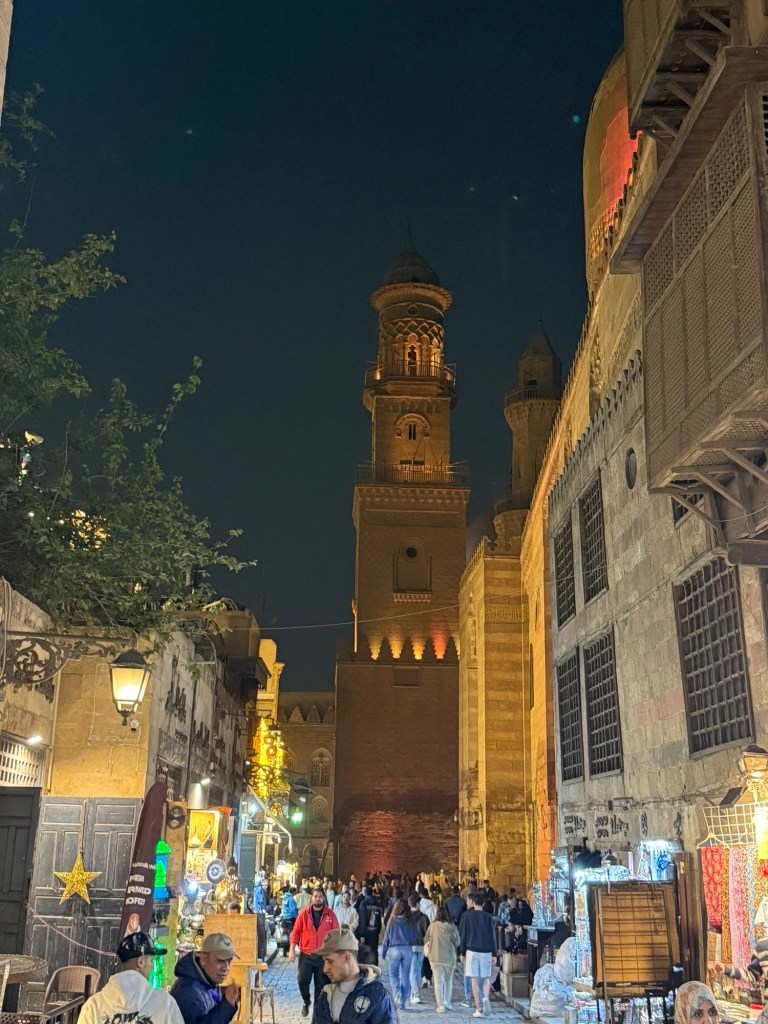
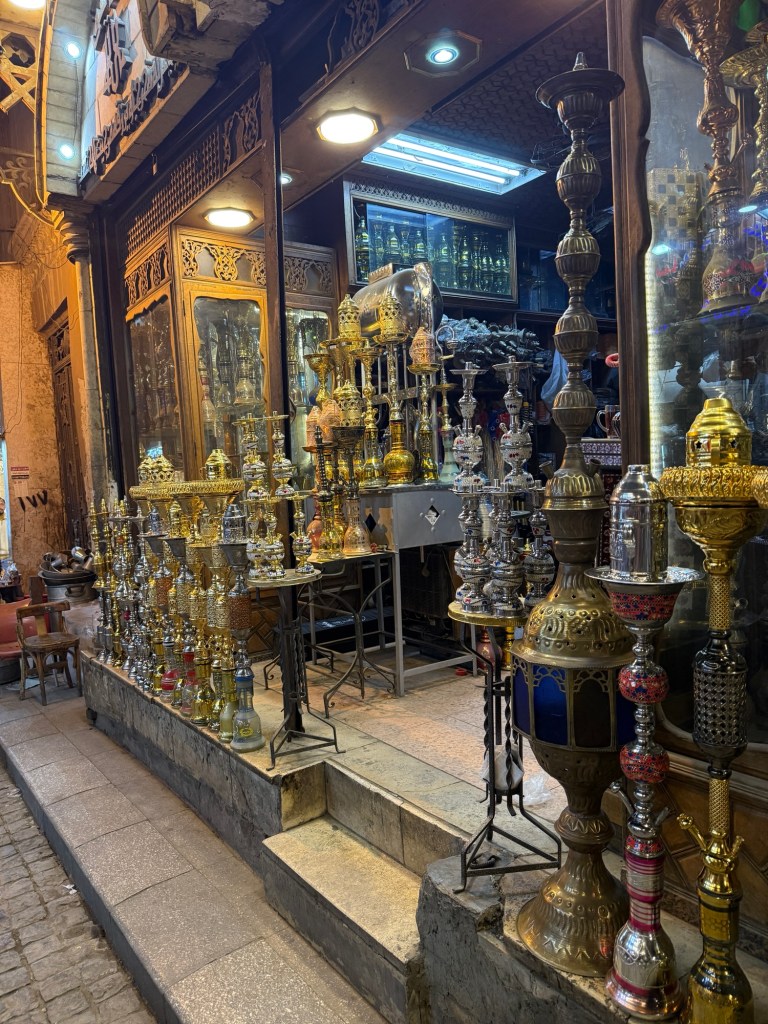
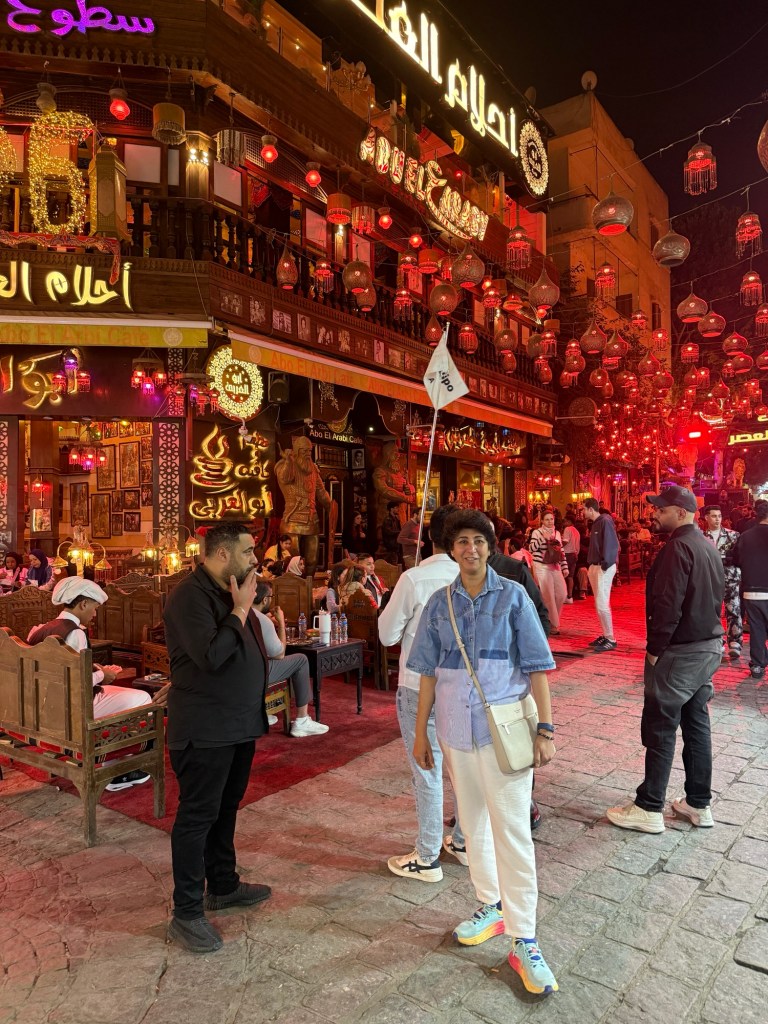
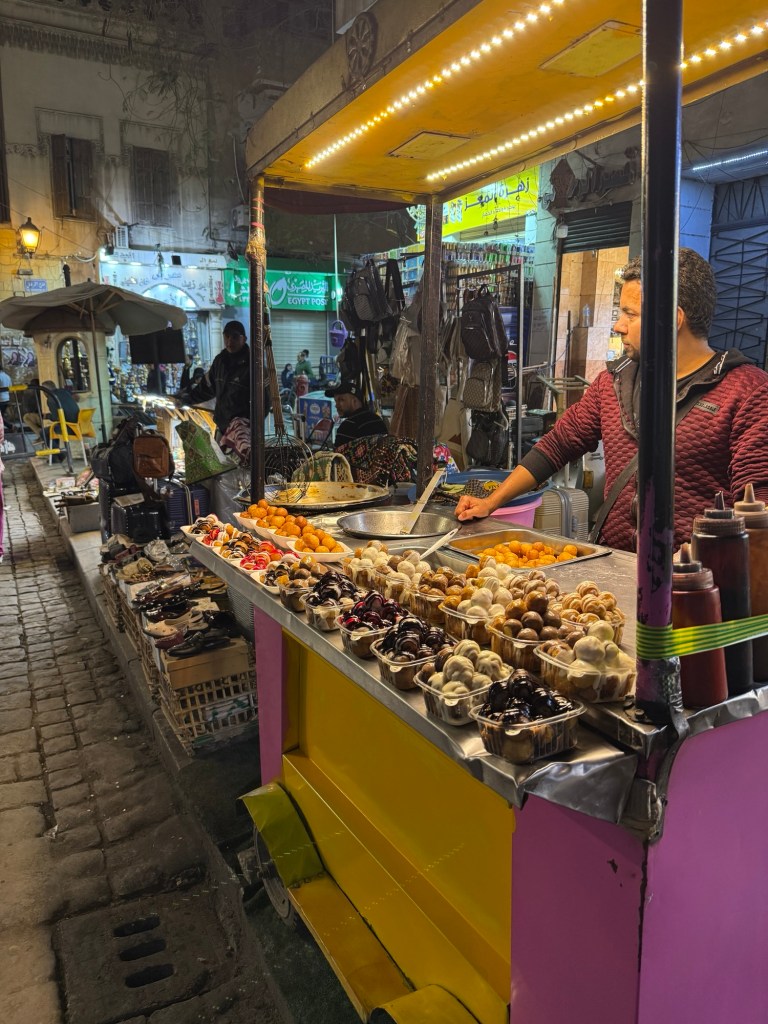
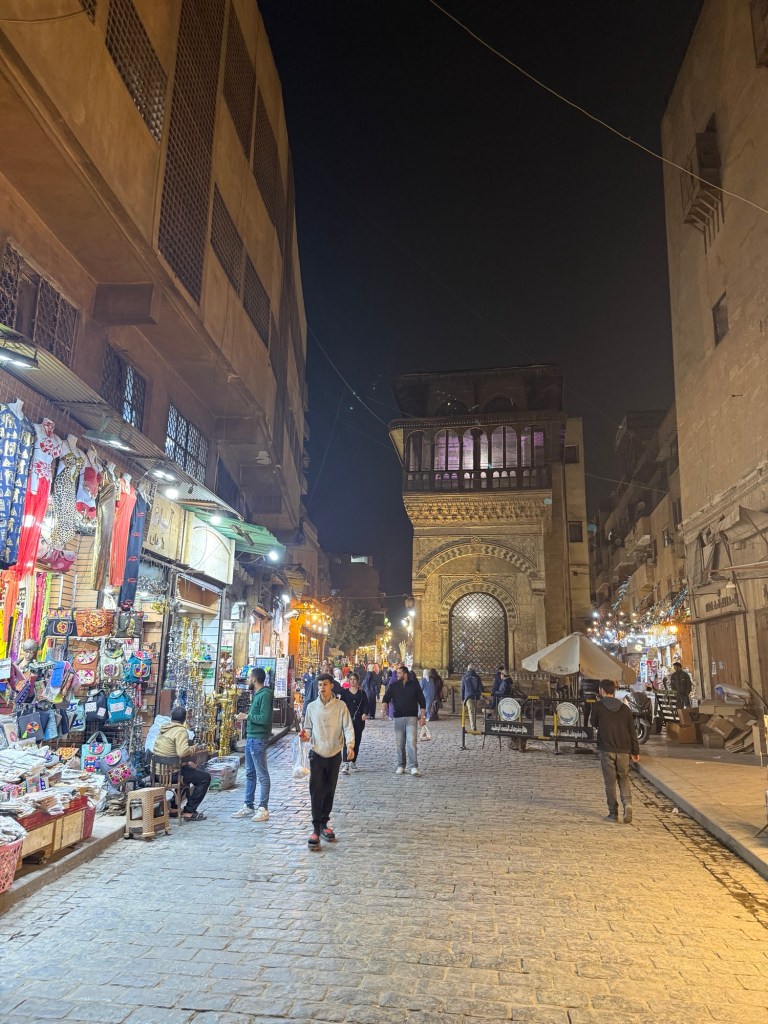
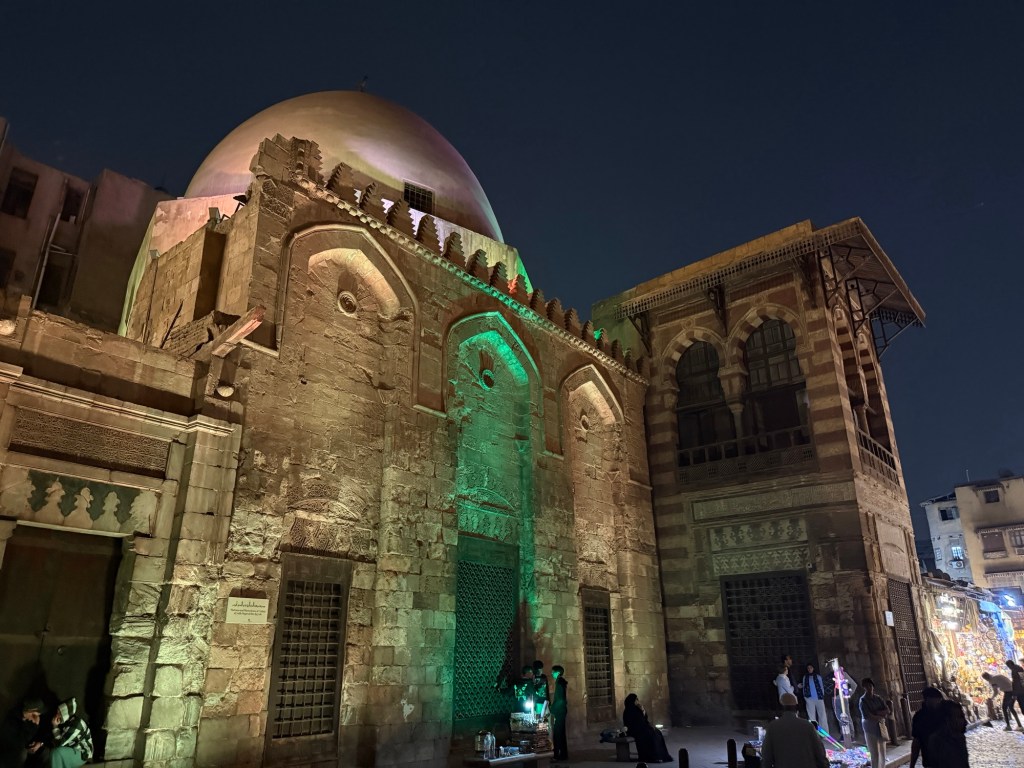
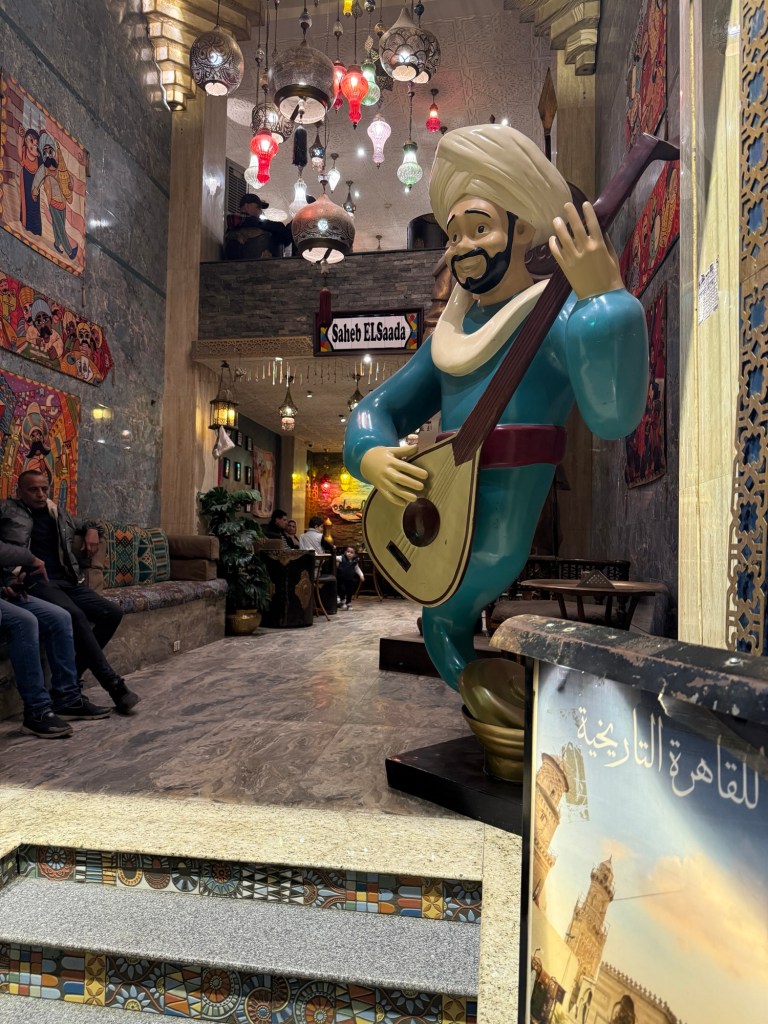
On the penultimate day, we looked out of our hotel window expecting the familiar view of the Nile and Tahrir Square. Both had disappeared. A thick haze of dust had swallowed everything, reminding us that we were, after all, in the middle of a desert. Fortunately, we had already visited Giza, so the sandstorm did not disrupt our plans.
Instead, we decided to explore modern Cairo and took refuge in one of its huge shopping malls until the weather improved. Cairo is truly a city of contrasts. One part looks rundown and shabby, while another is affluent, modern and full of life.
Zamalek, not far from our hotel, became one of our favourite neighbourhoods. With its leafy streets and restaurants overlooking the Nile, it was the perfect place to enjoy excellent Egyptian food at Zooba or an evening meal at Crimson Bar & Grill. The area also has a wonderful choice of Japanese, Thai and Italian restaurants, along with several excellent pâtisseries. You could have a nice meal and then take a walk next to the Nile.
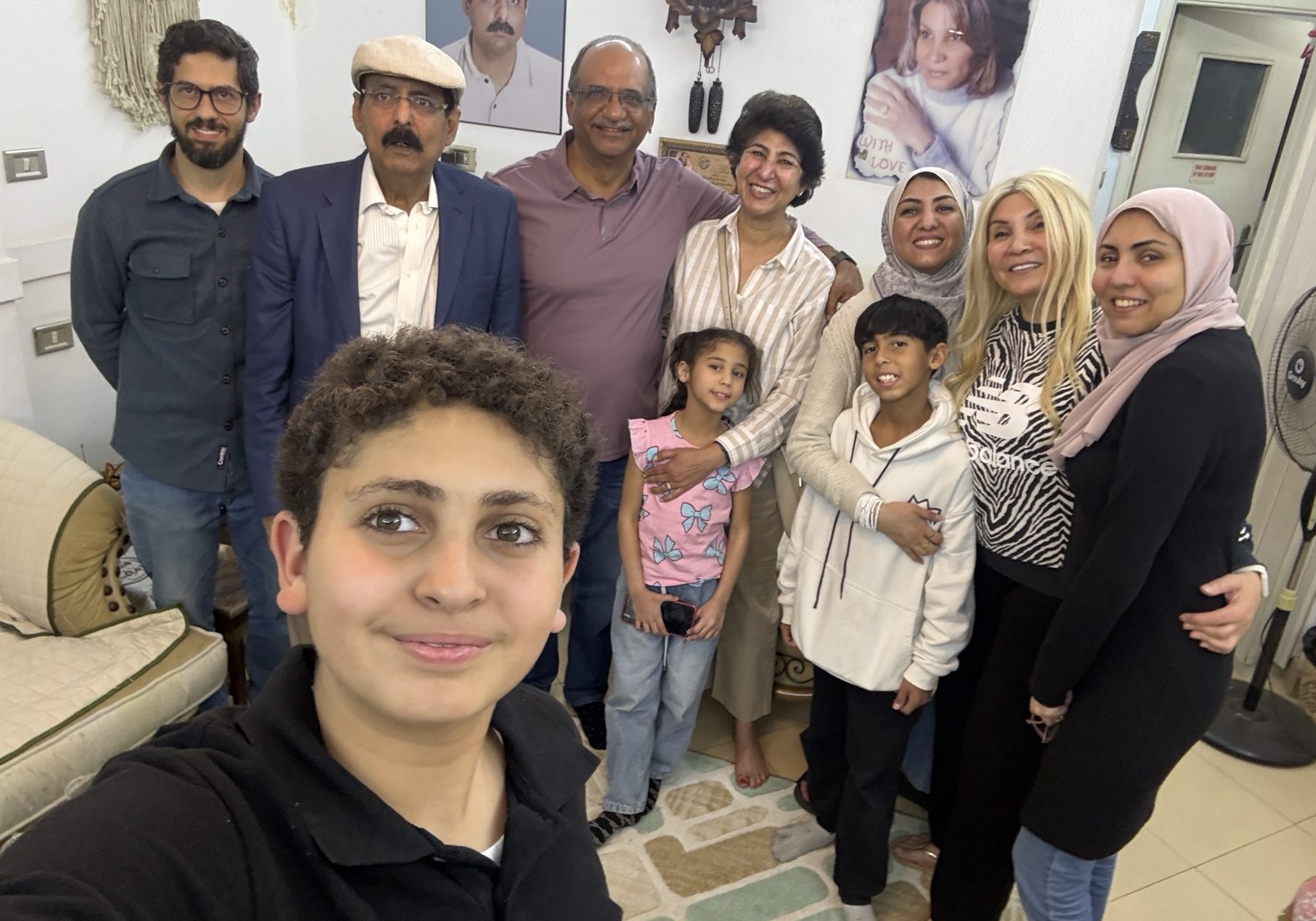
One of the highlights of our stay was meeting an old friend from Lucknow who had settled in Cairo many years ago. He had married an Egyptian, raised a family there, and we spent a wonderful evening with him, his children , their spouse and his grandchildren.
Before leaving India, we had packed a few packets of Haldiram namkeen because he had once mentioned that his family loved them. The delight on their faces when we handed them over was priceless. It made us realise that we should have brought even more namkeen—and perhaps a box or two of famous Indian mithais as well.
On the last day I thought of visiting either the Suez canal or the Red Sea resort of Ain Sokhna. What prevented us was the thought of constant bargaining with the unrelenting cabbies. Sometimes they bargain even after the fares had been negotiated and we would be on the way to our destination.
It was wartime when we travelled to Egypt, and almost everyone thought we were taking an unnecessary risk. Our friend from Singapore, who was supposed to join us, had her flight cancelled and could not make the trip. We ourselves kept debating until the very last moment whether to go.
I am glad we did. The trip gave us a much deeper appreciation of how one of the world’s greatest civilizations evolved over more than 5,000 years. Looking at today’s conflicts and the mindless destruction that wars leave behind, one cannot help wondering how fragile even our greatest monuments really are. They have survived thousands of years, but they deserve our protection for generations to come.


Leave a Reply